












TikTok’s latest nonsensical obsession “Fruit Love Island” is a rotten monstrosity that’s eating away at our brains and water supply.
Inspired by the Peacock reality show “Love Island,” the fully AI-generated TikTok series has flooded people’s feeds, garnering over 200 million views and a substantial amount of backlash across social media for its “artstyle” as well as its harsh environmental impact.
“For me, it’s hard to justify using [AI technology],” says Sociology and AP Psychology teacher Marlene Hines, who finds it increasingly difficult to swim in a sea full of ChatGPT inquiries and generated art.
The average 100-word AI prompt uses approximately one bottle of water, making these “Fruit Love Island” videos extremely wasteful, in addition to just being straight up vapid and insulting to viewers.
“It’s a representation of reality that’s not at all real,” Hines added, emphasizing that regardless of what these videos are trying to provide, the approach is soulless, and the product is the same because of it.
The storyline seen across the TikTok page is essentially a carbon copy of the Peacock series, following a group of single contestants looking for love in an island villa, the only difference being the uncanny animation and substanceless interactions between the “characters.”
The “plot” itself is thinner than a sliced tomato, as it showcases the limitations of AI storytelling every time a character so much as moves or opens their mouth to spew out-of-sync slop.
An article written by “The Panther” credits “Fruit Love Island” as being “marked by exaggerated emotions and hyper-sexualiation”, and that “when ‘AI Fruit Love Island’ applies this fetishization to animated Pixar-like aesthetics, it becomes unclear who this is for.”
The question raised in this article is a poignant one. People know about the detrimental damage AI is doing to the environment, they have access to worthwhile, man-made entertainment, yet they still choose to devote their time to artistically bankrupt junk like this series. So…why?
If you ask me, “Fruit Love Island” is an amalgamation of everything social media has been feeding us for the past decade, tenfold; quick, easy, low-brain consumption that scratches an itch for the average doomscrolling internet user.
The rapid, jarring pace of the series makes for a detrimentally overstimulating and addictive watch that viewers, especially young ones, get inaptly hooked on, but unlike other high stimulating programs, “Fruit Love Island” isn’t just altering our brain chemistry, but depleting our Earth’s water.


Colin Tran • May 21, 2026 at 10:00 am
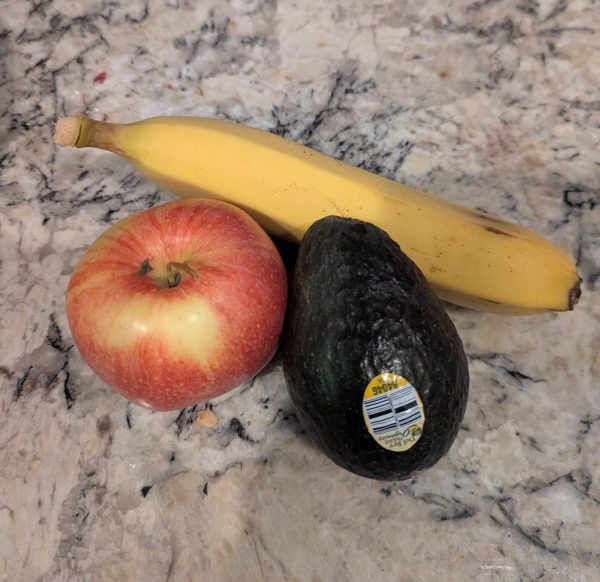
The author did an excellent job in emphasizing AI’s “Fruit Love Island” background and their environmental influence. They explained how AI prompts require tons of water and making AI on the “Fruit Love Island” is useless and wasteful.The author included a different perspective on the psychological impact on the AI generated art. They included specific quotes from a Sociology and AP Psychology teacher, Marlene Hines, about how it’s imitating reality. The article states how it’s extremely “overstimulating and additive” and makes the viewer’s brain chemistry imbalanced. The article also included that the AI “Fruit Love Island” is not original, but a copy of Peacock’s famous series, Love Island. I liked how the author provided a real-life picture of the fruits that were featured in the AI “Fruit Love Island”.
Jordan Leibl • May 18, 2026 at 11:45 am
A piece that breaks down TikTok’s strange new trend of an AI‑generated version of Love Island. The show has gained over 200 million views, but much of the attention comes from its unsettling animation and the surprising amount of water required to generate it. As teacher Marlene Hines explains, AI is becoming harder to justify, especially when a simple 100‑word prompt uses about a bottle of water.
The series copies the basic setup of the original Love Island, but the execution feels empty. The fruit characters move awkwardly, their dialogue is out of sync, and the plot is extremely thin. These flaws highlight the limits of AI storytelling. The Panther also noted the exaggerated emotions and hyper‑sexualization, which feel even stranger when applied to Pixar‑like fruit characters.
Even with these issues, people continue watching. The videos are fast, overstimulating, and easy to get hooked on while scrolling. But unlike other mindless trends, this one has a real environmental cost. Daigle’s article reminds readers that “Fruit Love Island” isn’t just low‑effort entertainment, it also wastes resources and reflects how quickly AI-generated content is taking over social media.
Luke Campos • May 18, 2026 at 11:44 am
A piece I found both clear and impactful. The article explains how the AI‑generated TikTok series has gained massive attention despite its unsettling animation style and its surprisingly harmful environmental impact. The detail about a 100‑word AI prompt using about one bottle of water really stood out, showing how something that seems silly can still be wasteful.
I also appreciated how the article highlighted the shallow, repetitive nature of the show. By comparing it to the original “Love Island,” the writer shows how limited AI‑generated storytelling can be, especially when the characters’ movements and dialogue feel out of sync. Including teacher Marlene Hines’ perspective strengthened this point, emphasizing how AI content often lacks the authenticity and creativity found in human‑made work.
If anything, I would have liked a bit more exploration of why people continue watching content they know is low‑quality. Still, the article effectively raises concerns about overstimulation, doomscrolling, and the environmental cost behind trends like this. Overall, it was an engaging and thoughtful piece that encourages readers to think more critically about the media they consume.
Brianna Luna • May 18, 2026 at 9:28 am
Daigle does a great job at covering the new social media phenomenon of Fruit Love Island. Daigle demonstrates that Fruit Love Island has been a new form of entertainment on TikTok that has even gained over 200 million views. Thus demonstrating its popularity and demand for this uprising TikTok series.
Moreover, Daigle does a great job with presenting us with the public’s opinion on series such as Fruit Love Island. Individuals such as Ms. Hines aren’t in favor of Fruit Love Island due to the destruction it is causing to our environment. Tiktok Series such as Fruit Love Island that waste so much water due to the use of AI, raise ethical concerns and questions such as how we should be using our access to artificial intelligence?
Lastly, Daigle brought up a striking point. She affirmed that Fruit Love Island was” amalgamation of everything social media has been feeding us for the past decade, tenfold; quick, easy, low-brain consumption “. Daigle’s assertion highlights how though the Fruit Love Island is new, the social media tactics have been the same. Searching for views and popularity regardless of the effect that it causes to our environment.