




















Pathways have been in use at Millikan since 2001, with the first two being QUEST and PEACE. Since then, students were able to expect the same core class teachers based on their pathways. For example, most COMPASS freshmen have Mrs. Mize for English, or most PEACE sophomores have Mr. Marchael for Math.
The only time students would have classes with students and teachers from different pathways would be in an elective or language class. But this year, many students taking chemistry received a surprise on their schedule: an unexpected chemistry teacher and a class with people in other pathways.
Most sophomores at Millikan are required to take chemistry, with the exception of SEGA students who take Physics instead. This school year, sophomores do not have pathway-specific chemistry courses. Instead, all students are being mixed together and divided among the five chemistry teachers on campus, into “global classrooms”.
“This is the first year and they’re trying it out with chemistry,” Mr. Summy says regarding mixing pathways into one classroom. Last year Mr. Summy taught mostly SEGA students and this year he says he has an even number of students from each pathway.

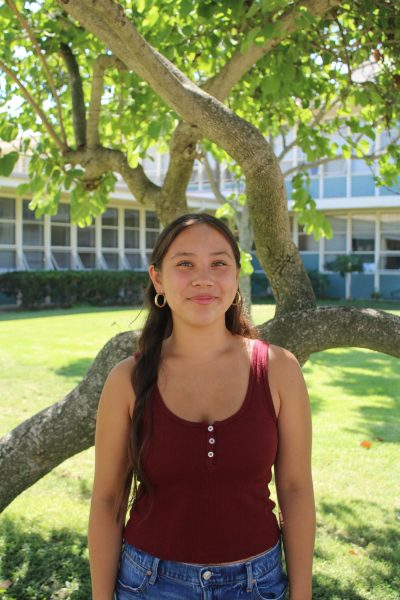
Sophomore, Maddie Cliborn COMPASS currently has Mx. Higbee, a teacher who previously taught exclusively PEACE classes, says, “I was more excited because some of my best friends are in other pathways so I was able to have a class with them.”
But why just chemistry? “It’s just chemistry, [because] the rigor of it is embedded in the course. [Chemistry courses] are not specifically for any pathways,” says Mr. Allen, the previously assigned QUEST chemistry teacher.
Reis Barrera, a PEACE sophomore currently in Mr. Allen’s class says, “I was surprised at first and also excited because it offered me more opportunities to meet more people.”
After contacting administration, the Corydon was given little information on the reason why global classrooms are being implemented other than how it will benefit students.
“If it ends up going well, then it might go to other parts of science as well as other subjects depending on how things end up,” Mr. Summy says. This year’s chemistry students may be the start of a new era at Millikan, with less pathway separation and more interaction between students who before, may have never met.


Ellie Jessner • Oct 23, 2025 at 9:36 am
When I first saw this piece, I had many questions coming from the QUEST pathway especially when most students didn’t really know that the pathways are being intertwined. For
me, I think it’s a good action to help kids find new friends they maybe didn’t know or weren’t close with. Aubrey covered a lot of the teachers’ opinions throughout her article but maybe more students’ opinions would be helpful as well. I do enjoy how she explains the way there
introducing the change to the pathways by just putting it for one class and then if it goes well spreading it out, this might make kids who feel anxious that they are slowly bringing in this change.
Although this might be a shock to most students, it’s also a good opportunity for kids to branch out of their comfort zone. As Aubrey said this could help kids be mixed together instead of divided into the decision they made in 8th grade. I admire this article, and how she puts the effort into seeing both sides of the change. For some students this is a good change but I can also see why students might be afraid of this change as well. Clayden emphasizes that this is a new beginning for Millikan and helps everyone feel included and be a part of the school community. This change as she expresses is a good opportunity for our school to grow and meet new people with academic interests. Overall, this article is really helpful for informing kids about the changes happening around Millikan and maybe giving students relief or answers about what’s planning on happening.
Sincerely,
Ellie Jessner
Emma Schipul • Oct 22, 2025 at 10:33 am
Thanks for the info peeps
Johan Monsivaiz • Oct 21, 2025 at 12:45 pm
Dear Corydon Editor,
On October 9, 2025 Aubrey Calderon wrote an article titled “Intertwining Pathways”. I recently read this article while exploring the latest articles written in October. This article resonates with me because I am also experiencing mixed classes with people from different pathways. I liked how Calderon pulled a quote from Mr. Allen (who I had last year for chemistry) and made it fit into why classes should be mixed. Furthermore, if classes are mixed then more points of views can be heard instead of just hearing the same ones over and over again.
An addition that could be added is the question of should pathways be gotten rid of all together? If classes are becoming “global classrooms” as Calderon states, then what is the point of having pathways. The point of the pathways was to have a collection of people who all think alike in the same environment. However, with the introduction of mixing pathways in classes then pathways will become obsolete.
All in All, this is a very informative article but it could have added a little more on the implications of mixing classes
Sincerely,
Johan Monsivaiz
Ellie Jessner • Oct 21, 2025 at 11:40 am
Aubrey wrote a compelling piece about the new millikan change which is combining the
pathways. When I first saw this piece, I had many questions coming from the QUEST pathway
especially when most students didn’t really know that the pathways are being intertwined. For
me, I think it’s a good action to help kids find new friends they maybe didn’t know or weren’t
close with. Aubrey covered a lot of the teachers’ opinions throughout her article but maybe more
students’ opinions would be helpful as well. I do enjoy how she explains the way there
introducing the change to the pathways by just putting it for one class and then if it goes well
spreading it out, this might make kids who feel anxious that they are slowly bringing in this
change.
Although this might be a shock to most students, it’s also a good opportunity for kids to
branch out of their comfort zone. As Aubrey said this could help kids be mixed together instead
of divided into the decision they made in 8th grade. I admire this article, and how she puts the
effort into seeing both sides of the change. For some students this is a good change but I can also
see why students might be afraid of this change as well. Clayden emphasizes that this is a new
beginning for Millikan and helps everyone feel included and be a part of the school community.
This change as she expresses is a good opportunity for our school to grow and meet new people
with academic interests. Overall, this article is really helpful for informing kids about the
changes happening around Millikan and maybe giving students relief or answers about what’s
planning on happening.
sincerely Ellie Jessner
Kailey Ortiz • Oct 21, 2025 at 10:43 am
On October 9, 2025, Aubrey Calderon wrote an article titled “Intertwining Pathways”. Aubrey Calderon does a fantastic job at explaining the benefits of mixing pathways and how it opens more opportunities. However, while I do think it gives more exposure to meet people in other pathways, I think that if they want to intertwine pathways, they should do it freshman year rather than their sophomore and junior years. From my personal experience, I feel that mixing up pathways later in the years, specifically junior year, makes it almost harder to get to know people, as most people within their pathways already have that strong foundation with the kids in their pathway that they have had all their classes with for the past two years. Thereby creates more difficulties for the students to interact with one another. I would suggest taking more input from the upperclassmen affected by this intertwining rather than only taking input from their grades below. By doing so, it allows for a wider variety to be seen and would help the input of the people who are being negatively affected by these changes to be heard.
Calderon does a great job at taking the input from different teachers to see how they feel. Some teachers are wondering, “Why just chemistry?” which is a valid question; however, this is not the case, as math teacher Mrs. Sharp is also being affected by mixed pathway classes as well. With that being said, I think more coverage should be done on the other kinds of classes that are also being impacted by these changes. This would allow us to see the impacts the mixing of pathways has on different subjects both positively and negatively.
Overall, I think giving students the opportunity to students to pick their pathways allows them to pick the kind of learning environment they would like to be surrounded by. However, later changing this environment in specific classes can negatively affect the students as they are not expecting these changes to be made. I would suggest that instead of a gradual change without letting students know about it, they announce said changes to allow the students to be well prepared for the changes in the upcoming year.
Laurie Newport • Oct 21, 2025 at 10:42 am
This article has an accurate and detailed description of the pathway system in Quest and the way the education system has evolved over the years. This left a great impression on me as I have witnessed the ways pathways have amalgamated over the course of my time at Millikan. It is incredibly fascinating the way different students who have different interests thrive in mixed classes and learn to meet new people. It is also interesting to me the way teachers are trying to adjust to these new pathway requirements as it is a relatively new system at our school.
The article is incredibly well written and indulges on the ways that the incorporation of different pathways has positively impacted the students. This essay also prompts for a change at our school concerning the pathway system. The division of students in classes has been a dilemma, people in PEACE for example are unable to branch out from their selected courses and because of this may find it difficult to cooperate with people that have different interests and life goals.
It is in the interest of the school and its students to dissect the pathway system and have people of all backgrounds and educational goals learn together. This will ensure an inclusive and diverse school. Thank you.
Jennifer De Haro • Oct 14, 2025 at 6:07 pm
Dear Corydon Editor,
While looking through this month’s articles on Corydon, I came across this writing piece to which I was quite curious about. As a student attending Millikan High School, I also tend to wonder what the motive behind these sudden changes is and what goal administrators hope to achieve by doing so. Calderon emphasizes that Millikan students are being introduced to “the start of a new era at Millikan”. I am impressed by her wording structure when it comes to describing this situation of changes for the new school year. Similarly, I appreciate her effort to bring attention to this subject as many students have just recently found out about how their class schedules may or may not look in the future.
The topic of mixed classes is not something new to students since many of us already understand that sometimes classes can get too full and we all have other classes that may switch the order in what year we took certain courses. I fully agree with the idea that diversity of pathways in classes can allow students to step out of their comfort zone and meet new people since pathways can sometimes restrict students from doing so. However, with each student taking their classes in the order designed by their pathway, they already have common interests with other students. For instance, when students in the same grade have the same teachers based on their pathway, this creates a way for them to collaborate. Furthermore, teachers already know what to expect from their students if they only teach a certain pathway. How might mixing pathways impact a teacher’s way of teaching if they are so used to teaching a QUEST class and now have to adjust to class with a variety of students in different pathways?
When reading this article, it has led me to wonder what else will be included in these implications and how different the classes will look in the following school years. Calderon mentions that SEGA students previously took physics instead of chemistry during their sophomore year, but what does this mean for SEGA students who have already taken physics before the mixing of pathways? In addition, if mixing pathways seems to have a positive outcome, which classes would be the next to experience this change and how might this impact the limitation a student has to choose their classes?
Sincerely,
Jennifer De Haro
Charlotte Norrell • Oct 14, 2025 at 1:52 pm
I recently stumbled upon this article while perusing the recent articles of the Corydon, and I was pleasantly surprised at how accurately the author portrayed the situation which is impacting most students. Calderon thoroughly explains that this is the first time administration has decided to fuse pathways together in sophomore year chemistry. Calderon notes that “This school year, sophomores do not have pathway-specific chemistry courses. Instead, all students are being mixed together and divided among the five chemistry teachers on campus, into ‘global classrooms’”. Not only does she include the perspective of two chemistry teachers here on campus, but she takes her research a step further by surveying COMPASS and PEACE students as well as administration. I applaud the adequate research she put into this piece, ensuring that students and parents have a well rounded understanding of the changes being implemented.
I admire this article in its entirety, however I profoundly respect Calderon’s ability to remain impartial on the subject. She allows her sources to speak for themselves, giving freedom to the reader to create their own opinion solely based on the facts. This change had many students surprised with their schedule, for it wasn’t as predictable as it’s always been. However, the overall consensus of her student based sources was that they are ultimately satisfied with this change, because now they have a friend in a different pathway within one of their classes.
In brief, “Intertwining Pathways” was nothing less than exceptional. Calderon’s interpretation of the blend of pathways invoked suspense within all of us, leaving me looking forward to a follow up article on this specific topic in the future.
Charlotte Bly • Oct 14, 2025 at 1:37 pm
I came across this article while searching in the Millikan Corydon for an informational article about Millikan. This piece of writing not only informed me that Millikan is starting to mix pathways in chemistry classes, but it also helped me understand why. Calderon uses various sources from students, teachers, and administration, which support her topic very well. She created a lasting impact at the end of the article that left me wondering, “Will Millikan start to mix other classes?”.
I find it very interesting that Millikan is starting to mix up pathways after having them separate for so many years. An enhancement for this article that I recommend and would like to read about is the inclusion of an interview with a QUEST student, who likes working with other QUEST students, opinion on the matter. One detail that especially stuck out to me was Mr. Allen’s quote. This statement verified that chemistry isn’t a class that needs separation and added to Caldron’s article about bringing pathways together. I applaud Caldron’s commitment to inform the Millikan community about this change in classes.
Sophia Bravo • Oct 14, 2025 at 11:52 am
October 14, 2025
Dear Corydon Editor,
On October 9, 2025, Aubrey Calderon wrote an article titled “Intertwining Pathways”. I am glad she brought this topic to light because it is a newly found situation that not many students know about. The background context of when pathways used to have only their pathways teachers gave more information on how important the shift was to mixing pathways. Also the description of what classes are being mixed is helpful, I just believe if you added why they are being mixed and why just one class would help provide an insight into why the admin decided to do this. There must have been a reason and readers would benefit from knowing before reading anything further. From knowing Mr.Allen personally and his opinion on the mixed classes I would suggest adding if we should see the mixing of classes for more years to come.
I liked how Calderon included the students’ opinion on the topic and whether they like it or not. Although, coming from an upperclassmen’s point of view I think she should have interviewed those that have experienced both none and some mixed classes. This text left me with the question of if it’ll stay or not. Moreover, if it does stay will it branch out to other classes and eventually all of them? On that page, I’d like to see some negative opinions and why they wouldn’t want the program to continue. The diversity of opinion would help the reader determine their own opinion without any bias. raise, concern, correction, suggestion, enhancement, reaction, and/or question.
From firsthand experience, I have had friends with teachers not from our pathway and I have seen the difficulty of having different teachers. I have also found it difficult to study with them since their lesson plans might be different. For another element in this story I recommend deep diving into the difference of pathway teachers and how learning styles might affect students for better or for worse. Overall this was a great story to read and I found it very informative.
Sincerely,
Sophia Bravo
Stella Sivitos • Oct 14, 2025 at 11:48 am
When looking over this month’s Millikan Corydon, I came across this article. It sparked my attention because last year, when I had Mr. Allen, he told me about this pathway change. I originally believed this blending of students would be a fantastic idea in order for them to be able to come across new peers in differentiating pathways, rather than being with the same classmates, apart from their electives, for most of high school.
I admire how this article emphasizes how pathways are no longer segregated but are intertwined. Depending on how this change affects students, it allows for increased interaction between students, further creating a greater sense of community. Also, it permits students to have classes with friends outside of their pathway.
It would be exceptional if the report exhibited why this combination of pathways was formed and how it can potentially positively or negatively impact classrooms. As well as introducing contradicting viewpoints from both students and teachers, opposed to only the good.
Chloe Garcia • Oct 14, 2025 at 11:46 am
I recently read this article while browsing the Corydon October articles. The title initially caught my eye because of talk around the school regarding mixing pathways. This article has given me a better understanding on what the school is doing regarding mixing pathways . I think specifying that chemistry is the only mixed class so far beside electives or languages classes, is important because it clears up any misunderstanding.
I found it quite interesting because I took chemistry last year and I was unaware of what they were doing this year. Since, my chemistry class last year did not have students from other pathways. I did wonder how both teachers and students would describe their experience. My question was addressed as the editor chose to get comments from both the teachers and the students. I believe this does allow for some insight on the experiences for both groups.
Although, I do like that they included comments from students and teachers, I believe the experience may differ more than what we see. The comments included in the article from both students were positive, however I think some students would have a more negative experience for a few reasons. Students may feel blindsided by this new choice and may have been looking towards having classes with classmates they are familiar with. Despite chemistry’s rigor being embedded in the course, teaching styles often differ for teachers of specific pathways. This can be an unwanted and unusual adjustment for both teachers and students. I believe that including more experiences can really elevate the article.
Luke Campos • Oct 14, 2025 at 11:37 am
I really enjoyed reading this article. I appreciate how the article clearly explains the recent changes to the chemistry schedule for sophmores and provides multiple student and teacher perspectives. As a Millikan student its exciting to see Millikan try this new change to pathways i feel that this change encourages interaction between students whom are in different pathways. I think this change will lead to a stronger community at Millikan. I agree with what Mr. Higbee said which was that having people in different pathways can make things more enjoyable especially if you have friends from another pathway.
However, i am concerned that the writer didnt give much of a detailed reasoning from administration as to why chemistry was chosen as the starting point to intertwining pathways. I think i would like to hear about how the school intends to use the information of the success of this experiment, Or even the possible challenges that might be faced with intertwining pathways. I would like to hear how over a certain period of time how the change has affected things and maybe even include the pros and cons if there are such. Overall i enjoyed this article and it has made me excited and looking forward to might come to the Millian experience.
Sincerely,
Luke Campos
Tyler Cover • Oct 14, 2025 at 11:24 am
October 14, 2025
Dear Corydon Editor,
On October 9, 2025, Aubrey Calderon wrote an article titled “Intertwining Pathways”. I too have grown concerned about the future of Millikan, especially in recent choices deriving from the mixing of pathway classes. I will admit that I am not currently affected by the change in chemistry classes, as I am a current QUEST junior, but the results of such an experiment on our school as a whole could significantly change the dynamics here on campus. If we don’t create distinctions between pathways, why even have them?
Calderon does a fantastic job of getting a mix of reactions from the chemistry teachers who are witnessing this shift firsthand, and I applaud that it isn’t just one teacher, but rather a few teachers as well as students. I believe that the great thing about Millikan lies squarely within the pathways, and the fact that it fosters students to be different from one another in how they approach a problem, and muddying the line between pathways defaces everything that pathways do right. For example, COMPASS fosters a love for the arts and integration into how to use their art-geared outlook in their future life, and that’s how the teachers have taught their classes in the past. Allowing cross-pathway integration might seem like a way to build a stronger Millikan community, but it forces all to homogenize and fit the status quo.
The whole reason I joined QUEST was because I wanted to push myself to learn as much as I can, and to learn how to think and better see the world around me in a different way. To learn that things will be tough, but to push through to ensure that I grow as a person. So when I see integration between pathways, it raises a few alarms in my eyes. Chiefly, do pathways and their individuality no longer matter at our school? I want to be in an environment with likeminded people, and while I understand that the best learning is done not in a fully sterile environment of the likeminded, mixing all classes together is just overcooking the idea until it no longer resembles what it once was.
Sincerely,
Tyler Cover
Kaia Nguyen • Oct 14, 2025 at 11:12 am
Upon reading this article, I enjoyed receiving clarification as to why some of my classes as well as my classmates’ classes were mixed with people from other pathways. Calderone successfully highlights the positives of integrating pathways and easily communicates how regular students feel about this change. Personally, I never liked having pathway specific classes, as I would never be able to have classes with some of my friends from other pathways. Integrating classes would be of great benefit to students’ life on campus. It can allow people to connect with others that they would not previously have met and be exposed to different teachers who may be better suited for certain students.
Although I enjoyed the content of this article, there could have been more insight as to why this change was made after such a long period of having the same core classes and teachers for each pathway. To my understanding, many students are left wondering why this change was made and how it’s going to impact them now and in the future. What classes will they integrate next? What is the school’s main purpose in initiating this alteration? Will only certain pathways be mixed with certain teachers? These are just a few of the many questions that I have heard my peers ask with little to no clarification in response, therefore it would be in the best interest of students for Corydon to seek out more information to clear up some of the confusion.
All in all, this article was well written and I enjoyed the numerous interviews from students and teachers alike. It gave the article a more personal feel, which shined a positive light on this new change to Millikan’s Campus.
Sincerely,
Kaia Nguyen
Isabelle Ruvalcaba • Oct 14, 2025 at 10:01 am
I have read this article since I was interested in the new global classes. The article gives many ideas on the new classes of Chemistry with students mixed from multiple different pathways. Calderon gathered not only statements from students, but also from teachers who are now teaching these types of classes. Calderon comments, “This year’s chemistry students may be the start of a new era at Millikan, with less pathway separation and more interaction between students who before, may have never met”. I would like to agree by adding that new classes like these are exciting and can benefit students by allowing them to be exposed to new people who are a part of different pathways.
I believe that the article captures all of the opinions of the new global classes and it suggests that these new classes are a positive that Millikan is trying to include to create a more diverse school community. The topic should be more looked into by Corydon, so the subject can be more known and hopefully in the future more classes can be developed into global classes.
Pathways can stop students from socializing outside of their pathway, so I would like this new idea to be utilized for other classes, such as Math or even English. I hope that more information could be collected and more students would be asked what they think of this in the upcoming months
I found this article to be very informative on this new topic of global classrooms. The Corydon Editor, Aubrey Calderon chose a good topic to gather information on and further explain it. I would like to know how this can positively impact the Millikan community and if it will cause an impact for the next school year.
Sincerely,
Isabelle Ruvalcaba
Parker Mills • Oct 14, 2025 at 9:49 am
I came across this article while visiting the Corydon website and was pleased with the information that was provided. I found the article to be very informative about the new change in pathway structure this year at Millikan. I had noticed and heard about the mixing of pathways from many people with varying points of view, and found this article to help make sense of the information.
I appreciate how this article employed the views from both students and teachers on the situation. This helped me to understand why the changes were made, how they were being made, and the effect that they were having on the population here at Millikan. I was pleasantly surprised to see that most students and teachers were eager for and in favor of the change to the pathways. I do wonder, thoug,h why it is being experimented on sophomores rather than freshmen and whether it is truly only the sophomore chemistry classes that are being mixed. In my experience as a junior, a few of my mandatory pathway classes have been mixed this year (including my pre-calc and physics class), whereas last year all of my classes (excluding my electives) were only with people in my pathway. I think it would be interesting and informative to see a piece written about the mass shift towards mixing pathways throughout all grades this year.
In conclusion, “Intertwining Pathways” is a very informative and detailed piece that has answered a question that I’ve had about mixing pathways since the beginning of the year. I appreciate its ability to bring to light multiple perspectives and hope to see more about this topic in the future.
Lola Alonso • Oct 14, 2025 at 9:48 am
I recently read about how Millikan is trying to intertwine pathways which was very interesting because I’ve noticed it happening to my classes so I enjoyed hearing the reasoning behind it. My reaction was definitely surprised by how many kids had mixed pathway classes because when it happened to me I just believed we had too many kids and not enough teachers. One question was if we are intertwining pathways would we ever think to get rid of them all together? Usually, the pathways are so some kids are more challenged while others have a slower pace which could either hold students back or hurt other kids. I enjoyed how Calderon got information from not only students who have experienced the pathways put together but also teachers. This really interests me as to whether we will be intertwining more pathways in all grade levels.
This article makes me have a deeper question of if this will bring down grades in classes or raise them up. The article is great at emphasizing a background on the pathways but also about the classes that are switching up give me great details and evidence to why a switch might happen. I would love for this discussion to keep going and show comparison from how people felt at the beginning of the year to the end. When it comes to combined classes opening up your friend group or social circle I definitely agree. I notice I tend to have only friends in my pathways because I’m more likely to see them and we have a common interest by having similar or the same classes. Claderon article enhanced the fact of why it great to see an intertwining of pathways.
The quote in the last paragraph from Mr.Summy “may be the start of a new era for Millikan” puts me into a thought of will we see pathways in the next years. It raises concern as are we the only school in LBUSD to mix up pathways. Is it a district decision? I would suggest trying to see if any other classes in different grades are having this same intertwining situation. Overall I believe this article is very well written. I greatly appreciate all the details including quotes from all age groups and position at Millikan. This also leads me with further excitement to see where the intertwining of pathways will take Millikan.
Hadley Becksfort • Oct 14, 2025 at 9:48 am
When reading the article I noticed that it mostly talks about the sophomores and how the pathways have combined only for Chemistry. Additionally, I find it interesting how that was the first to start combining and how it was not English or any other class.
Although, with my own experiences this year as a Junior in Quest I have noticed that many of my classes have been mixed with other pathways except for a few that are Quest specified. Currently my physics, math, and history class all have people from different pathways. And I agree that it was a shock to see other students in my classes that I did not already know, and it gives an opportunity to acknowledge all the people that are around me that are not from Quest.
It also seems that most people are in favor of this recent change between pathways. I have noticed that teachers have mentioned that it is a great opportunity to get to know more students and that it is giving them a chance to teach people with different ideas and ways of thinking. Then when talking to my classmates they find it more enjoyable because the pressure from Quest has lessened with having different pathways joining in and having different expectations. Additionally, I find it nice to have other pathways because it does give students a chance to get classes with friends who chose a different pathway. People from middle school who chose a different route are now able to reconnect with friends again. All in all, it seems like a positive experience for everyone and I appreciate Calderon for bringing this topic to people’s attention because it has been a question since the beginning of the year.
Brianna Luna • Oct 14, 2025 at 9:46 am
October 14,2025
Dear Corydon Editor,
On October 9, 2025, Aubrey Calderon wrote an article titled ”Intertwining Pathways” I came across this article when exploring Millikan Corydon and this piece of writing was very captivating. Calderon’s writing included diverse perspectives such as teachers and students from various pathways.Due to these perspectives it was engaging to hear how their experiences and role in this school shape their opinions and feelings on chemistry classes being intertwined with students of every pathway. As a junior in Quest I have become very close and connected with my fellow Quest classmates. However, I have several friends in different pathways with whom I’ve never had a class with. I find this to be a very exciting opportunity for these sophomores in chemistry to get to know more of their Millikian community.
Although I am very excited to see the enhancement of our Millikian community through this intertwining of sophomore chemistry classes, the question does arise of the potential downsides to this intertwining of classes.For example, certain pathways are used to a type of work ethic, class behavior, and teaching styles. Therefore creating a rift when combining these pathways together in a chemistry class.
As the year progresses, it would be beneficial to conduct a survey, both for students and teachers to receive feedback on how the intertwining of classes experience was for them. Depending on the response to the feedback from the students and teachers there should be action taken accordingly. If themajority had a positive experience with the intertwining of pathways, then the Millikian administration team should keep the system of combined chemistry classes and even continue to broaden the amount of combined classes.Moreover, if the response of intertwined classes wasn’t positive, then we should resort to going back to the traditional ways of having chemistry courses be separated by pathways. WIth thai being said the nterwining of classes could be an amazing experience for our Millikian community, but time will tell how this new system plays out.
Sincerely,
Brianna Luna
Jessica De Haro • Oct 14, 2025 at 9:45 am
As I was reading this article, I was left with a lasting impression on the topic of mixing pathways. Aubrey emphasizes the positives of this new era at Millikan of building a strong relationship within the students by bringing pathways closer together. Not only that, she also successfully mentions the opinions of teachers as well, highlighting both sides of the situation. I respect Aubrey’s ability to illustrate what students here at Millikan feel about having more opportunities to be in contact with new people.
I admire this article as it focuses on a topic that is not heavily discussed, yet gives enough information and opinion to where everyone at Millikan is informed of this new practice. The mixing of pathways quickly allows students to build a community within their chemistry class. As students were used to being divided by pathways, they now can share their identities with new people and break borders when it comes to only seeing those so similar to oneself. The emphasis of separation between pathways and interaction throughout this article is critical, as it illustrates what great opportunities are to come with this mix.
I applaud Aubrey’s dedication to share the concerns and reactions of the Millikan community, she emphasizes the impact pathways have within the student body which I believe is important because pathways may cause more issues than thought of. She highlights how Millikan would eventually feel more like a family if a mixing of pathways is done to all classes. Aubrey goes into detail when it comes to background and what roles pathways have when it comes to the relationships between not only the students but as well as the teachers. She mentions how teachers are also meeting a variety of students with global classrooms, emphasizing how teachers now have more diversity. Aubrey does a wonderful job in covering this topic and keeping her readers informed on these new global classrooms. I celebrate her dedication in her writing.
Harper Young • Oct 14, 2025 at 9:43 am
Dear Corydon Editor,
I recently read this while browsing the Corydon and I was pleased to see what it was about. At Millikan, the concern of pathways is extremely important. Each student chooses a pathway for a reason, curated around their goals, passions, and values. An increase in programs has provided students with more options. There are currently five pathways consisting of QUEST, PEACE, COMPASS, MBA, and SEGA, each of which have their own unique aspect.
I appreciate the amount of interviews Calderon conducted among teachers as well as peers. Receiving the opinions of people across different pathways is important for an issue that touches all programs.
The knowledge that Millikan is testing global classrooms is informative for all students. Mr. Allen discusses that the “ ‘…rigor is embedded in the course.’ ” While I can agree that the difficulty of a chemistry class is equal among pathways, the difference in students must be taken into account. One cannot deny that there is a variation in the goals and drive of an average student from each program. This is based on the requirements for each pathway as well as an individual’s personal focus.
Although it can provide new connections with people from other pathways, it can have negative effects for students. For instance, a very academic student who is striving to get into a rigorous college might be placed in a class with someone who doesn’t care for school. It isn’t difficult to conclude that both students most likely won’t thrive in a classroom setting together. Again, students pick their program for a reason. So, should students with differing goals and values from all pathways be flooded into one class together?
Sincerely,
Harper Young
Lillian Kotlarski • Oct 13, 2025 at 1:48 pm
As a student, I had heard rumor at the beginning of the school about a shift towards disbanding pathways. It was refreshing to see an article about changes in the classroom and to the pathway system that will affect students. Along with, clearly addressing a topic many had been wondering about.
I found it interesting that throughout student interviews no negative view points on the experimentation with “global classrooms” were included or recorded (Calderon). The article maintains a supportive tone towards changes to the school while informing students of new classroom structure. However, some contrast in viewpoints would better explain student opinion and prevent accidental bias.
I would also like to see more about the history of the pathway system at Millikan and other high schools. Why were pathways implemented in the first place and how have they evolved over the years?
Jocelyn Jimenez • Oct 13, 2025 at 1:45 pm
The article does an amazing job explaining what has happened with chemistry classes this school year and people’s perspectives. I like the way the article explains the thoughts of many sophmores when they didn’t get their chemistry teacher that was based on their pathway. It demonstrates how the change caused little confusion but after time, many students realized they enjoyed the mixed classes. The story is well written and the teacher’s opinion and thoughts on on mixed classes was interesting. I like how the chrmistry teachers were also interviewed rather than only students since it allows readers to see the opinion of mixed chemistry classes from different views. I wonder though, if there are any students or teachers that are opposed to the mixed chemistry classes. In my opinion, I would possibly include opposing views of mixed classes to allow for different perspectives on the topic of mixed classes and to show there are different sides to the change this school year. I also wonder if Millikan staff are taking notes to see if mixing pathways together during sophomore year improves students behaviors and grades. Overall, I enjoyed reading about Millikan intertwining pathways this school year. It shows that it may benefit students and has the possibility of of combining classes in the future.
Adrian Torres • Oct 13, 2025 at 1:42 pm
October 13, 2025
Dear Corydon Editor,
On October 9, 2025, Aubrey Calderon wrote an article titled “Intertwining Pathways”.
This article had a very current, and interesting event attached to it, being the newly mixed pathway chemistry classes. Although this year I had my first math mixed pathway class, (Preclaculus), I had no idea all chemistry classes, including Mr Allens’ who i had last year filled with QUEST students, were now mixed with other pathways,
I Believe this article had a clean, easy to follow format, making the current event very clear and interesting. I would have liked to see other opinions on the matter, not just the student and teacher but maybe a student who was not fond of having a class with new students. Understanding the whole picture of what is occurring and how the students feel about it is crucial to the reader’s understanding and prevents the reader from losing trust in the Millikan Corydon.
I also appreciated having the teachers input. the teacher asserted “This is the first year and they’re trying it out with chemistry,”(“Intertwining Pathways”, Millikan Corydon). This was important because the potential “mixing” of other science classes in the future is more likely due to a teacher having input, and not it being a completely random guess, due to the knowledge and power teachers have over students (typically). In all, this article provided an interesting event with easy to read format. This article succeeded in what it was trying to accomplish, which is very admirable.
Sincerely,
Adrian Torres
William Sok • Oct 13, 2025 at 1:41 pm
On October 9, 2025, Aubrey Calderon wrote an article titled “Intertwining Pathways”. As a member of RAMBASSADORS, one of our main goals is to break down the divide between pathways. I appreciate this article highlighting the benefits of putting students in different pathways into one classroom, as it will help eliminate the negative stigma that people may have about other pathways.
One suggestion that I have that could improve this article is adding how perspectives may have changed towards other pathways, or how people have made new friends because of this mixture. This will aid in breaking the separation between pathways to build a more unified Millikan. By doing so, this may appeal to the school administration and make them realize that combining pathway classes is a step in the right direction to foster a stronger community.
In short, this article was insightful about the changing demographic of pathways in classes and how this change may lead to a more significant one in the future. This article is a wonderfully comprehensive documentation of the changing times in Millikan’s history and makes me curious as to what the future holds for the interconnection of pathways.
Aliou Sullivan • Oct 13, 2025 at 1:29 pm
I enjoyed reading this article because it provided cool facts about Millikan’s pathways. For instance, Calderon talks about how the “pathways have been in use at Millikan since 2001”. This helped me understand the origins of Millikan’s pathways much better. I also appreciate how the article highlights the students’ voices from these different pathways. For instance, the quotes from Maddie Cilborn and Reis Barrera add to the reader’s understanding of how this is affecting students in these global classrooms.
The shift to global classrooms is an interesting experiment, but I was wondering if there is more transparency from the school on whether these students who are in these new global classrooms enjoy and are effectively learning in these classes. I suggest that there should be a mid-year survey that get feedback on whether these students are thriving in these new class systems. In conclusion, Calderon’s article furthers our understanding of Millikan’s advancing class structures, but it also raises questions on whether this is heavily impacting students learning.
Abigail Lee • Oct 13, 2025 at 12:02 pm
On October 9, 2025, Aubrey Calderon wrote an article titled “Intertwining Pathways”.
This article caught my attention, because pathways are a unique aspect of our school district. There have been many instances where I have asked an out-of-district friend about what pathway they are in, and they have answered with, “What is a pathway?” I didn’t realize that pathways are not universal, and many follow the same coursework as all other students in their grade. Following this reflection, although the majority audience is likely Millikan students who are thoroughly accustomed to the structures of our school, I compliment Aubrey’s inclusion of some background information to our pathways. She incorporates insight on the beginning of this use, affirming that pathways started in “2001, with the first two being QUEST and PEACE” (Calderon). She solidifies that since then, teachers have been assigned to specific pathways, and have remained with those incoming course students. This small piece of information is significant to the reader’s understanding of just how long these distinct splits between pathways have existed, and how notable the shift in the chemistry teachers is. Aubrey recognizes that this year, our five chemistry teachers are experiencing a mix of students, with Mr. Allen explaining that it is to benefit the education of others. I applaud these inclusions in Aubrey’s article, as they are straightforward and simple, yet portray the momentous decision that faculty have made this year.
One suggestion that I have regarding this article is to involve an opposing viewpoint. Rather than just having quotes from students celebrating the beginning of this pathway mix, Aubrey could interview students who believe this interlacing to be negative. Perhaps some criticize this shift, arguing that students entering 9th grade chose their pathway for a reason, and should deal with the teachers that come with it. Maybe others contend that since these teachers have remained in these courses for so long, they are accustomed to and fitting for that pathway only, and will struggle connecting with students of different interests. A teacher from MBA may not be able to connect with students from SEGA, as students from MBA chose their pathway to follow their business goals, and individuals from SEGA picked their course for coding/computer education. These are just two of the different opposing stances that Aubrey could consider and use to revise and strengthen her article, as it provides a controversial question: Is the intertwinement of pathways actually beneficial or detrimental?
Similarly, I suggest that Aubrey adds opinions from the stance of the teachers. Do these chemistry teachers actually enjoy this new classroom mix, or do they find it uncomfortable? What is their stance? Is the removal of pathway borders positive or negative? Some questions that Aubrey could ask are whether these teachers are now designated to more students, and if they now have more students per class and/or more class periods to instruct. If so, will this lead to their overall resentment towards this intertwining, or will they come to appreciate it? These different teacher stances could bring depth to Aubrey’s article, and make it more introspective and interesting.
Conor Seng • Oct 13, 2025 at 11:53 am
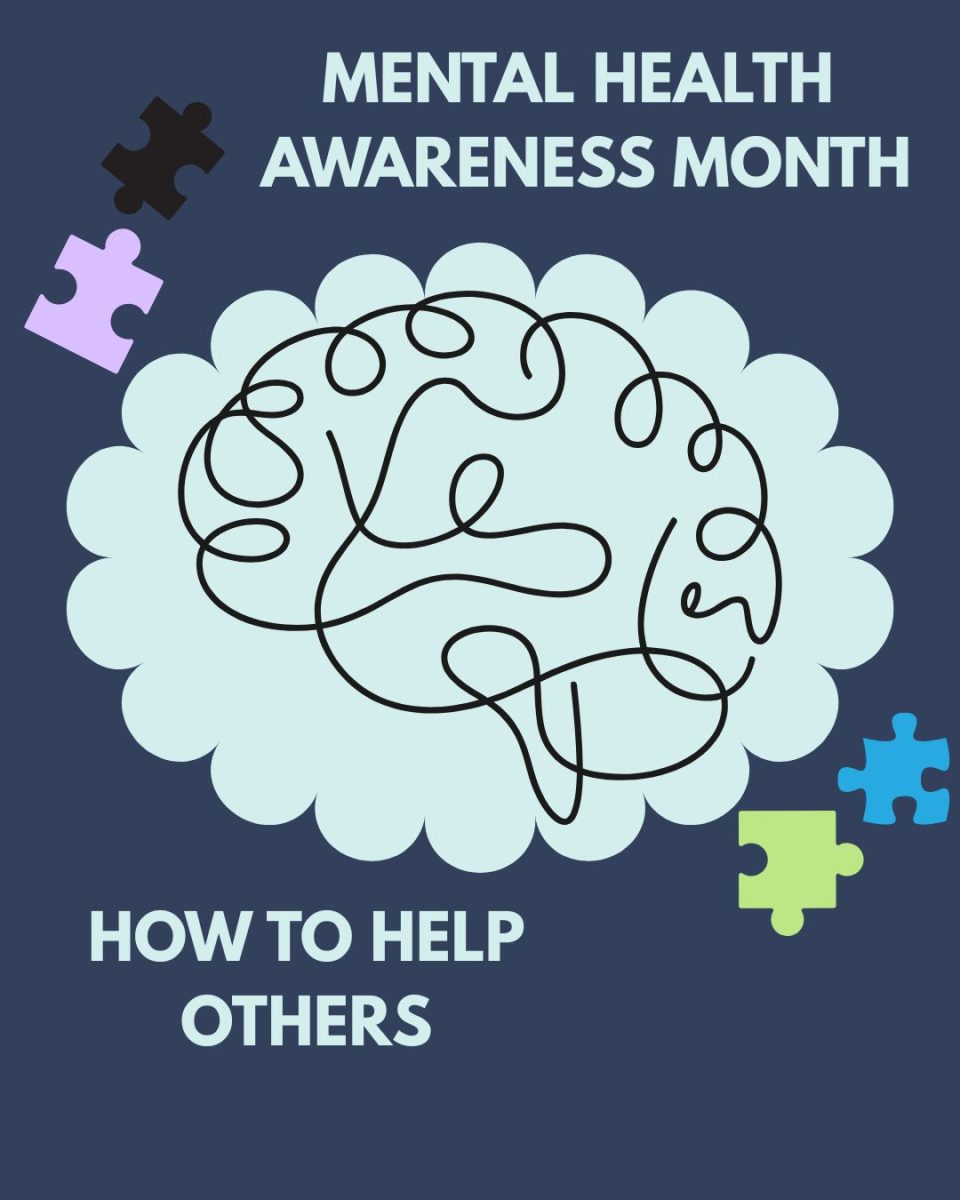
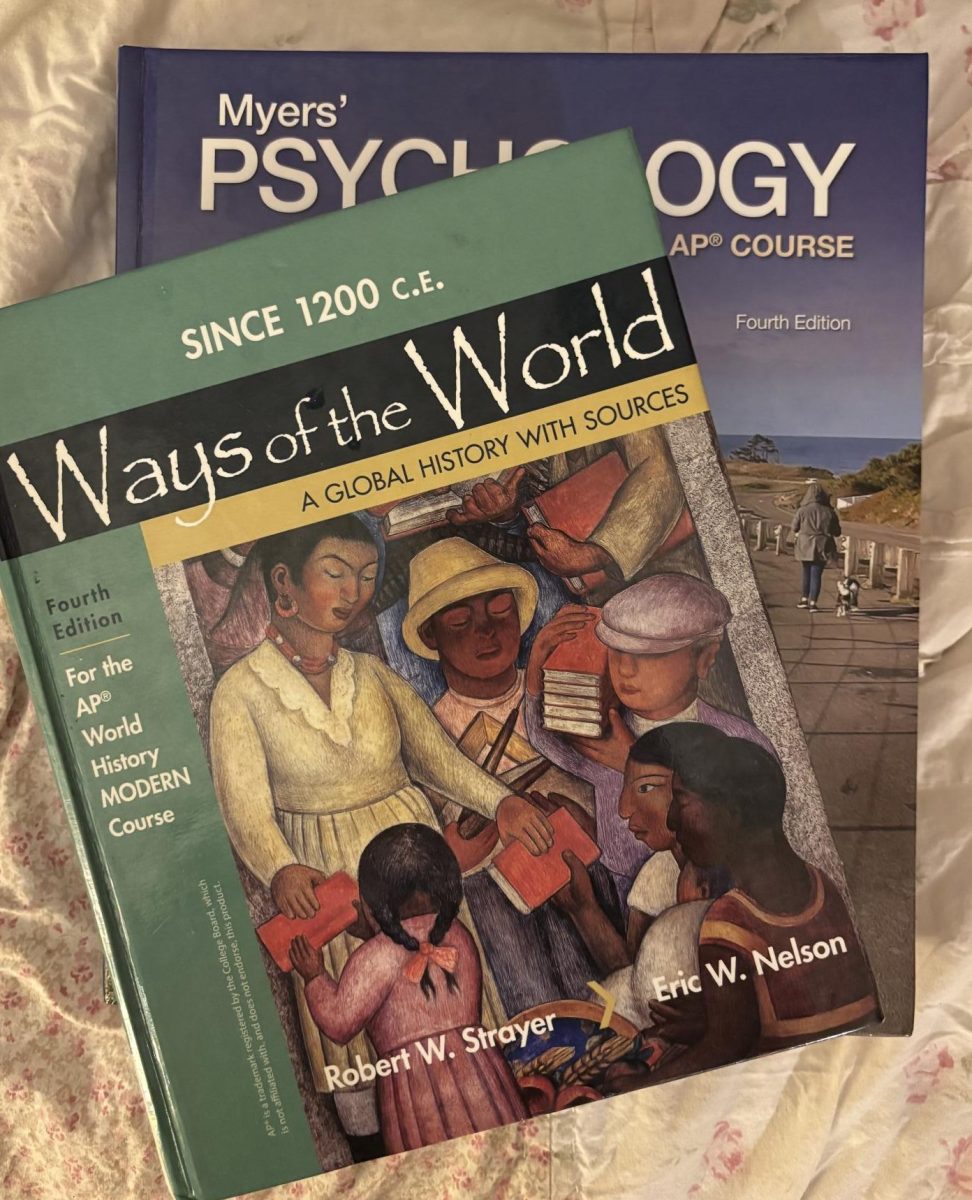
On October 9, 2025, Aubrey Calderon wrote an article titled “Intertwining Pathways”. I like how the author explained the new changes at Millikan regarding the combining of students in pathways in chemistry classes. I also appreciated the graphic used, which gives a sense of unity as all pathways are a part of Millikan. I was not aware of the combining of classes, and I wonder if it will occur to other classes that also have no pathway specific skills.
This combining of pathways can help Millikan become more unified through increased interactions between these pathways. With these “global classrooms,” I can meet many new people in my required classes and ask and give help on challenging content. All in all, I think the intertwining of pathways is positive for Millikan and is a step in the right direction as it can increase social interactions between people who otherwise would have never met because of their initial chosen pathway.
Kayla Simon • Oct 13, 2025 at 11:32 am
On October 9, 2025, Aubrey Calderon wrote an article titled “Intertwining Pathways”. Her article gave me a better understanding of the new changes this school year. Before reading Aubrey Calderon’s article, I had been aware that pathways were mixing, but her article gave me more information. Calderon’s article brought light to this new change that may have been confusing to students. Additionally, I liked how Calderon brought multiple perspectives from teachers and students into her article. This helped me to understand how the pathways were intertwining and the opinions of other individuals. Her addition of quotes from students and teachers demonstrate the credibility of her news writing.
In Calderon’s article, she has many positive perspectives that support the change or looking forward to the new opportunities. However, I think adding some alternative view points will make the article more detailed and informative of the current situation. I know while a lot of individuals are supportive of the change, there are people who dislike it. I think adding those perspectives will make the article more representative of Millikan.
I thoroughly enjoyed this article. It was informative and easily understandable for their targeted audience. To add on, what classes would be next in line to be intertwining pathways? And, what will this mean for Millikan’s pathways?
Cassidy Ung • Oct 13, 2025 at 11:26 am
Dear Corydon Editor,
On October 9, 2025, Aubrey Calderon wrote an article titled “Intertwining Pathways”. This article visibly remarks how Millikan is doing a change in how the pathways work now as they are now starting to integrate the different pathways with one another starting off with chemistry. In addition, as they are starting to intertwine these pathways with chemistry, it was stated that if there is a positive outcome then this will be the case for all science classes.
Along the same lines, Calderon uses both the perspectives of the student and the teacher among this topic. Calderon interviews Mr. Allen, a Chemistry teacher that before only strictly taught QUEST students, and reveals that he believes that chemistry isn’t “specifically for any pathway.”. By interviewing Mr. Allen it allows the audience to be informed that a reliable perspective has been used as many students have also had Mr. Allen.
All in all, this excerpt was very enjoyable to read, hearing both the student and teachers perspectives. Moreover, a suggestion I have is inputting the opposite views that students and teachers have with this change other than having only positive factors about it. Overall, this article was very enjoyable to read by also allowing the audience to be able to see the outside factors of this such as, changes to the school along with adjusting in different ways to be able to allow students to experience different learning environments
Melissa Ly • Oct 13, 2025 at 11:23 am
On October 9, 2025, Aubrey Calderon wrote an article titled “Intertwining Pathways”. In this article, she mentions how this is the first year Millikan is attempting to tie pathways together, specifically in science classes (chemistry and physics). She recognizes that prior to this change, only elective and language classes were “global classrooms” including students from different pathways. Calderon includes an example of a sophomore in PEACE who has Mr. Allen (the QUEST chemistry teacher before this shift) and uses her experience to highlight one upside of this change: providing more opportunities to meet new peers from different pathways. Calberon does an excellent job on summarizing the topic and being specific on the different classes and teachers students from other pathways are in.
However, one suggestion I do have for Calderon is to include more nuances in her writing to describe how other students who have concerns and different opinions from the positive ones in the article may feel about the issue. This is because some students and even some teachers can feel upset or indifferent about interlinking pathways. Overall, Calderon did well on debriefing the topic and providing student and teacher perspectives.
Lindsey Sylva • Oct 13, 2025 at 11:20 am
October 13, 2025
Dear Corydon Editor,
On October 9, 2025, Aubrey Calderon wrote an article titled “Intertwining Pathways”. The article truly struck me as quite informative and intriguing, because the topic in question is popular around campus. Many students are wondering why pathways are being intermingled, when the point of the pathway itself is to create clear separation as well as a tight knit community for students. I, along with many other students, found the answer to our questions in this article, thanks to the intuitiveness of Calderon’s journalistic mindset.
I also deeply appreciate Calderon’s ability to look behind her pathway, whatever it may be, to inquire about other teachers and students’ experience during this new policy. This highlights Calderon’s potential in journalism, as she looks beyond what is in front of her to consider a variety of perspectives and opinions, as a true professional journalist would.
However, might I suggest that building off of this topic, Calderon might consider expanding her research to either other classes outside of chemistry, or even to other grade levels. As a junior myself, I find it reassuring to know that it isn’t just me and/or my friends experiencing this, but that it’s a school and grade wide phenomenon. Regardless, I and possibly others, would also appreciate investigation into their own classes, by reason that while it may be the chemistry classes for sophomores that are being mixed, it could be different classes for other grade levels. Though, even if it is only the science classes being diversified, we will never know until further research is completed.
Nonetheless, the article was excellent and profoundly exemplifies clear journalistic intuition, and it provided me and many others with insight not only into who’s being affected but also why the policy exists and why each class was chosen.
Sincerely,
Lindsey Sylva
Stella Mack • Oct 13, 2025 at 11:20 am
October 13, 2025
Dear Corydon Editor,
On October 9, 2025, Aubrey Calderon wrote an article titled “Intertwining Pathways”. The article goes into broad detail about the intertwining of pathways for chemistry classes on campus. Yet, not why the school has decided to try out global classrooms. As said in the article, the corydon was given little information as to why administration is doing this, only given that it will benefit students,so, how will it benefit us?
As the global classrooms are only being put forward with chemistry classes, a class taken mainly by sophmores, is the data on whether global classrooms beneficial or not realistic for all subjects and grade levels?
Despite questions and concerns, the inclusion of the voices of those who are partaking in global classrooms enhances the way global classrooms can be viewed as most of the opinions on so are positive. Based on what those in the article have conveyed, the intertwining of pathways gives students a chance to make friends with people they may have never met if chemistry classes remained seperated based on pathways. Overall, global classrooms seem to provide students with more opportunities.
Sincerely,
Stella Mack