


















The current worldwide oil and fuel crisis hasn’t been kind to the nation of Cuba.
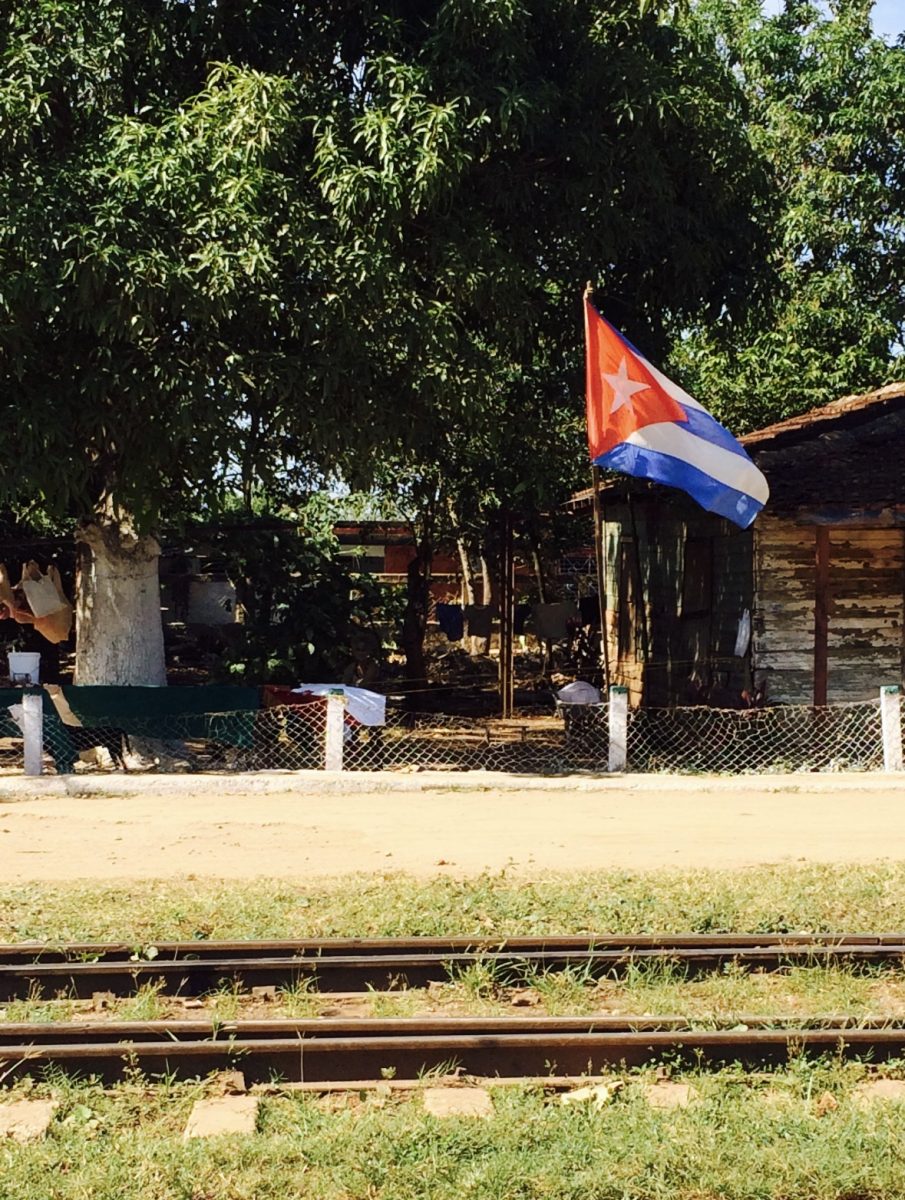
Most Americans know Cuba best as the island nation just 90 miles from Florida, or perhaps for being a main perpetrator and the namesake of the Cuban Missile Crisis, but what has come to characterize the Cuban people the most is their resiliency.
The worldwide oil and fuel crisis, existing infrastructure challenges, United States embargos, and a lack of access to resources and outside aid has led to an energy crisis in Cuba. This has been characterized by gasoline rationing and cutoffs to diesel fuel as well as nationwide blackouts that have lasted upwards of 15 hours.

In January 2026, the capture of Nicholas Maduro, the president of Venezuela and a close ally to Cuba that provided around 20% of the nation’s energy imports, led to the cutoff of Venezuelan support for Cuba. Additionally, the United States imposed an oil blockade on the nation, ceasing United States oil supply to Cuba as well as threatening tariffs to nations that provide aid for Cuba. This caused isolation for the island nation in order to put pressure on the Cuban government and push for regime change.
According to Todd Osborn, 11th grade AP United States History teacher, “Since the 1960s the U.S. has had an embargo on Cuba, and now with oil we’ve done secondary sanctions. So if any other country sells oil to Cuba, we sanction them through the Trump Administration’s tariff policy.”
The United States first imposed an arms embargo on Cuba in 1958, one year before the end of the Cuban Revolution. This embargo restricted the sale of arms to Cuba but was later expanded in 1962 by President John F. Kennedy to restrict all trade.
The United States has had a tumultuous relationship with Cuba since the Cuban Revolution converted Cuba into a one-party Communist nation, and the Trump administration hopes that their actions will help to bring about regime change. According to United States Secretary of State, Marco Rubio, “Cuba has an economy that doesn’t work and a political and governmental system that can’t fix it. So they have to change dramatically.”
While the United States hopes to see a new government take over Cuba in the near future, the current situation in Cuba is dire. The nation has run their oil reserves dry, and as time goes on and the nation remains isolated, the situation is only getting worse.