











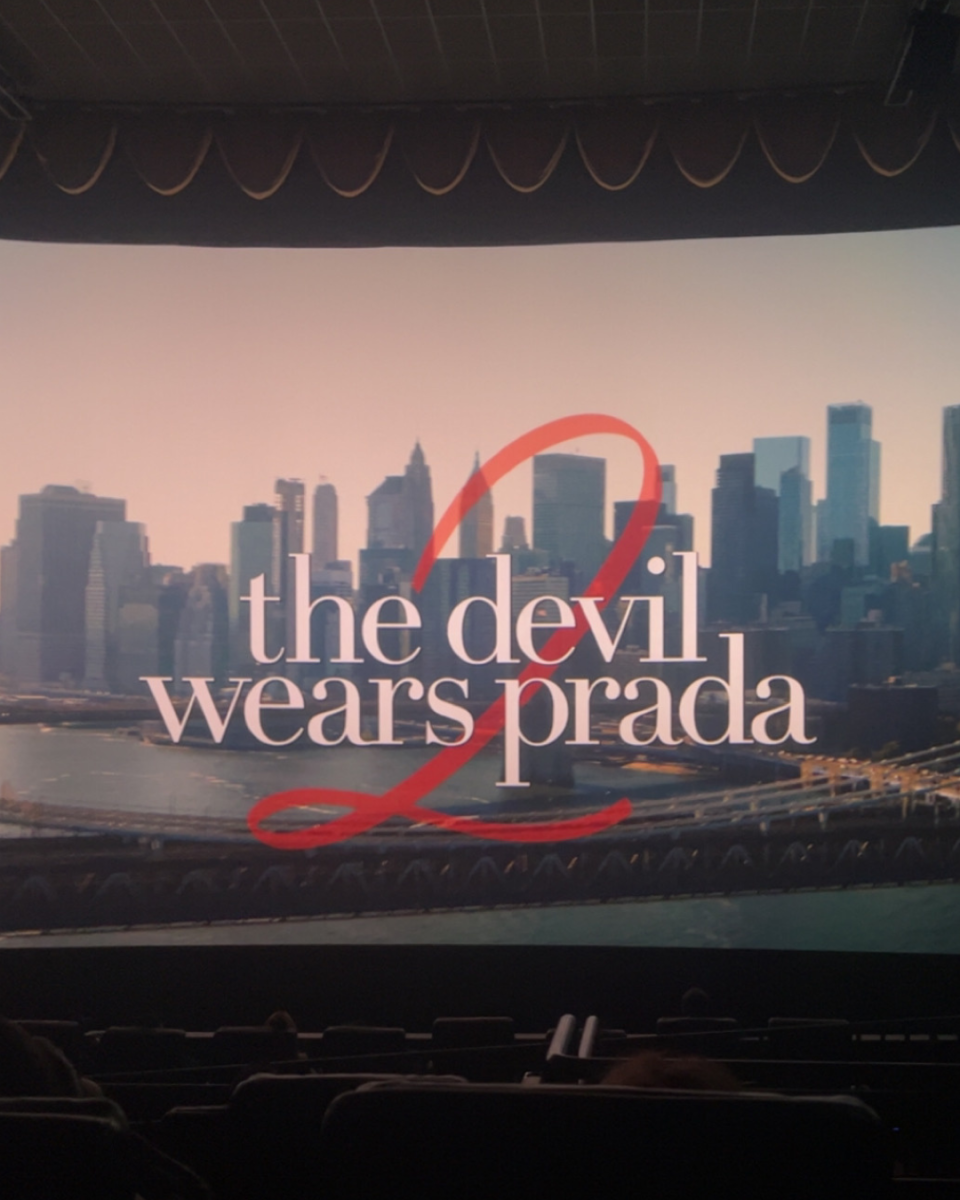





Dating today looks different than how it did 20 years ago. Without commitment implied, many dating scenes today are labeled as “situationships”, but the rise of romcoms in teens today show us they’re sick of this no-commitment propaganda.
Movies like “Regretting You”, “People We Meet on Vacation”, and “Anyone But You” are examples of recent romcoms that have taken teens by storm. Romcoms give teens comfort, an escape from reality even, especially since the way teens date today is very influenced by social media it’s hard to find meaningful connections.
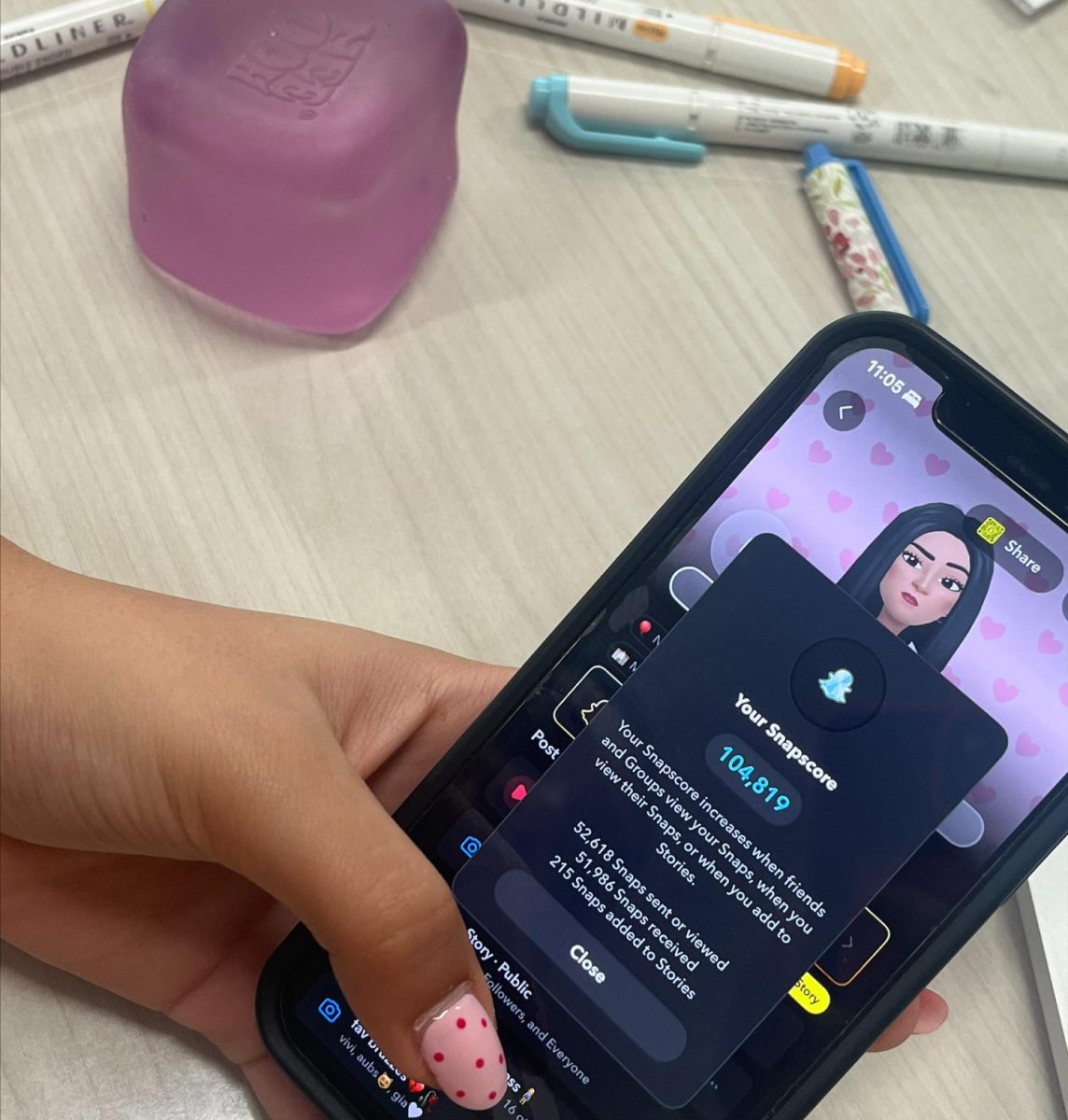
Madeline Gray, a sophomore in PEACE says, “I feel social media messes up teen dating, there’s a ton of features on social media platforms that influence teens in the wrong way, people constantly check their talking-stages Snap-score that makes it toxic in the end.”

This new way of dating sucks. With the influence of romcoms looming over teenagers, longing for a relationship like what is seen on screen is desired, but not attainable. For example, in “The Notebook”, when forced to be apart, Noah wrote to Ally everyday for a year, simultaneously building her dream home for when they are together. From the famous “10 Things I hate About You”, Patrick publicly announced his love to Kat by taking over their school stadium’s sound system and singing “Can’t Take My Eyes Off You”.
Now, the idea of doing such a gesture wouldn’t even be considered. Something as small as liking someone’s story, or sending a ‘Snap’ on the popular messaging app Snapchat is now a form of showing your affection for someone. When asked whats wrong with teen dating, Rhiley Wallace, a sophomore in QUEST replied with one word, “Snapchat”. Wallace explains, “I feel so many people are so afraid to go up and talk to people face to face, now they just ask to communicate through Snapchat or Instagram.”
Teen dating seems to be going downhill fast and with the advances in technology, teens seem to cling to romcoms as an escape. When reality meets this new wave of dating the real issue will arise and teens today are already feeling that impact. Maybe this uprise in romcoms will fix this generation’s next big problem.


Charlotte Norrell • Mar 17, 2026 at 1:52 pm
On February 26, 2026, Lyla Benekos wrote an article titled “Why Teens Can’t Stop Watching Romcoms”. I first want to start off by saying I simply admire your perspective. I completely agree that social media has saturated teen dating to the point where nowadays, nobody wants the same things in a relationship. I appreciate how she took the time to handselect
the movies you included in your article as well. I love new romcoms, but not as much as the old ones. “The Notebook” and “10 Things I Hate About You” will always be on my top 10. I also agree with what Ms. Madeline Gray from peace states about snapchat. Snapchat was one of the social media platforms I gave up for lent, and I don’t think I will ever go back. It’s like people saying “Hi” over and over again by sending a picture of themselves or a wall. Sometimes I find myself just staring at snapchat with no notifications, which is simply a complete waste of time! I believe that for a relationship to work, you guys must spend quality time together in person and call at least once a day. I don’t even like texting my own boyfriend because I feel like the tone gets shifted when my emotions are put into words on a screen. Overall, Benekos did an exemplary job writing this article, and I look forward to her pieces in the future.
Victoria Hijazi • Mar 16, 2026 at 1:16 pm
I would like to begin by praising Benekos for writing about a topic that feels incredibly relevant to teens today. Her exploration of modern “situationships” compared to the committed relationships portrayed in romantic comedies was both thoughtful and relatable. Many students
see these shifts in dating culture every day, and her article gave voice to those shared experiences. I especially enjoyed the references to iconic films like The Notebook and 10 Things I Hate About You. These examples clearly highlighted the contrast between grand romantic gestures of the past and today’s more subtle, digital forms of communication. Another strength of the article was the inclusion of student perspectives. Featuring quotes from
peers made the piece feel authentic and grounded in real experiences rather than just opinion. The discussion of how platforms like Snapchat influence teen relationships was particularly engaging because it reflects something many students can relate to. This is something I noticed today as well as a teen. Relationships nowadays are being developed online and not in person,
teens are scared to go talk to one another so they resort to the easiest option in which is texting on social media. Overall, Benekos successfully captured the emotional connection teens have to romcoms and why they continue to resonate. Her article not only entertains but also encourages reflection on
how technology and media shape our expectations of love and relationships today.
Addison Yoon • Mar 8, 2026 at 9:59 pm
Benekos’ use of films from popular media such as The Notebook and Anyone But You directly resonate with teens. They serve as relevant examples of how differently romantic gestures look today in real life. I like how Bekenos connects the ideas of modern dating culture and social media with “situationships”. The point about teens now using apps such as Snapchat or Instagram to communicate and advance romantic relationships felt realistic and true to many students. One thing I found interesting was the idea that romantic comedy films may act as an “escape” for teens who are fed up with this modern world of dating or simply want to experience that kind of love like in the movies. Bekenos utilizes a quote from student Rhiley Wallace that explains many teens feel like Snapchat ruined relationships. I wonder if teens truly wish to be in an era without apps such as Snapchat or if romcoms might have just ruined our perspective of dating. Many teens might forget that romantic comedy films are not realistic and I think that could be important to include. Overall, this article does a great job of starting the conversation about how social media and modern culture are changing the way teens experience relationships but I wish it spoke more on the actual romcom films and why teens are more interested in tuning in.
Aidan young • Mar 3, 2026 at 11:40 pm
On February 26, 2026, Lyla Benekos wrote an article titled “Why teens can’t stop watching Romcoms”. I thoroughly enjoyed this essay, and I agree with its message that teens nowadays are getting tired of the idea of situationships. I felt that the argument of this article was well-worded, easy to understand, and effective in getting the author’s point across. I agree with the point that teenagers as a community are getting sick of how dating operates nowadays, and watch these movies to reflect on how romance worked in the past.
I also liked the addition of many examples of these movies that teenagers are obsessing over. The inclusion of these examples is a great demonstration of the author’s argument and helps make a point that can be proven by connecting the plot of these movies with what teens wish dating were like.
Finally, I appreciated the fact that the author included a section interviewing students and asking the question, “If students want romance and dating to be a certain way, why do they act differently?” Getting student insight, as well as answering this question, helped to strengthen the author’s argument and give context or an explanation to the point the author was making in the first place. Overall, great job. I enjoyed reading this article.
Sincerely,
Aidan Young
Charlotte Norrell • Mar 3, 2026 at 1:29 pm
I first want to start off by saying I simply admire your perspective. I completely agree that social media has saturated teen dating to the point where nowadays, nobody wants the same things in a relationship. I appreciate how she took the time to handselect the movies you included in your article as well. I love new romcoms, but not as much as the old ones. “The Notebook” and “10 Things I Hate About You” will always be on my top 10. I also agree with what Ms. Madeline Gray from peace states about snapchat. Snapchat was one of the social media platforms I gave up for lent, and I don’t think I will ever go back. It’s like people saying “Hi” over and over again by sending a picture of themselves or a wall. Sometimes I find myself just staring at snapchat with no notifications, which is simply a complete waste of time! I believe that for a relationship to work, you guys must spend quality time together in person and call at least once a day. I don’t even like texting my own boyfriend because I feel like the tone gets shifted when my emotions are put into words on a screen. Overall, Benekos did an exemplary job writing this article, and I look forward to her pieces in the future.
Caitlin Ujiie • Mar 3, 2026 at 1:29 pm
I was browsing through Corydon’s latest articles, and this one specifically caught my attention. I realize now, after reading the thoughtful article, that teens enjoy romcoms because they are truly just tired of the dating world. I can now understand that they want to watch a televised romance because it can easily bring them happiness and potentially inspire them in the future. Benekos did an excellent job capturing how teen relationships now can be toxic because of social media, and by watching romcoms, they can escape that reality.
I most certainly agree that social media platforms like Snapchat and Instagram are shaping dating and have changed it significantly since earlier times. It is interesting to see how people often display their affection mainly through these social media apps, using them as a way to avoid actually speaking to each other in person. This can result in relationships feeling less genuine and more oriented towards appearances rather than real life connection.
Ellie Jessner • Mar 3, 2026 at 1:19 pm
Lyla wrote a compelling piece about how teens are taking romcoms and having their standards set high in high school relationships. When I first saw this piece, I thought it was a good topic to choose, fitting well with the teen life and how each of us compares to romcoms differently. Being from California, we live near Hollywood, which is constantly making romcoms that come to real life when they’re filmed near home. For me, I think it’s a good idea to help explain to girls that even if something happens in a movie doesn’t mean that it’s going to happen in real life. Lyla highlights that some of the more popular romcoms might give people comfort and an escape from reality. She expresses how social media messes up relationships and influences people to take it the wrong way. Not only does this show how the new way of dating is hard, but it also shows how it’s terrible that what happens in romcoms dont even get considered nowadays in relationships.
Although it seems like teen dating is going downhill really fast, there are still some ways to save it. As Benekos said, we need to snap out of reality,lity and even though romcoms set a high expectation it might be able to save teenage dating. I admire this article, and how she puts the effort into including some of the most popular romcoms and how those boys treat the girls way better than in real life, which could show boys they need to step up their game in a relationship. For some students, this is a good thing to know and could show guys and girls how to treat eachother better in a relationship. Benekos emphasizes that adding romcoms into our lives could turn around teen dating and make it less messy. Overall, this article is really helpful for informing kids about relationships and how teen dating needs to be turned around.
Sincerely,
Ellie Jessner
Macy Blackman • Mar 3, 2026 at 1:07 pm
I came across this while going through the recent articles from the Corydon, and Lyla Benekos’s views on the dating life of all teens today and the difference between rom-com romance and reality is intriguing. Benekos displays how putting labels on relationships is more rare then ever, and most people find themselves in a “situationship”. She explains that most of this can be blamed on social media, because people don’t feel the accountability to talk in person, they just do it through the screen. She then shows how this can be linked to the rise in rom-coms in teens because it may give them “…an escape from reality…”. I admire how she is able to portray a clear message and understanding that the current dating status of teens does not live up to the rom-com expectation.
Benekos also does a great job of illustrating how some of Millikan’s students have also seen the decline in commitment within relationships due to social media. She describes how Madeline Gray, a sophomore in PEACE, agrees that social media platforms, especially Snapchat, can be blamed for influencing teens in a negative way when it comes to dating. The way she is able to compare this social media-driven dating life to multiple different situations in rom-coms where people go out of their way to show their affection, gives a better insight to the need for more social interaction within not only relationships, but all aspects of teenage life. Altogether, Benekos’s article on how talking through the screen is ruining dating for teens and how rom-coms may be the only thing keeping the normal standard, brings a hard but necessary realization that we need to take the steps toward more meaningful relationships.
Jordan Leibl • Mar 3, 2026 at 11:19 am
I read this article about the growing popularity of romantic comedies and how they connect to modern teen dating. I found the article interesting because it explains how much relationships have changed in recent years and why romcoms are becoming so popular again. As a high school student, I can relate to the way social media shapes how people talk, flirt, and build connections. The article suggests that romantic movies offer an escape and remind teens of the kind of relationships they hope to have.
The writer does a good job mentioning recent films like “Regretting You,” “People We Meet on Vacation,” and “Anyone But You,” showing how they appeal to younger audiences. I also liked that the article included opinions from students about Snapchat and how online communication sometimes replaces face-to-face conversations. The comparison between simple actions today—like sending a quick Snap—and the dramatic romantic gestures seen in older movies helps show how dating expectations have shifted. Instead of criticizing teens, the article presents these changes as part of living in a digital world.
One thing I would have liked to see is more discussion about the benefits of modern dating. Even though social media can create pressure or confusion, it also gives people more ways to stay in touch and express themselves. Overall, I thought the article was thoughtful and relevant. It points out challenges in teen relationships while still recognizing that meaningful connections are important to our generation.
Audrey Lozano • Mar 3, 2026 at 11:17 am
The title of this article drew me in because I am also a big fan of watching romcoms or just romantic shows. Not only are they entertaining, but they are sweet and comforting. They are the perfect shows or movies to watch to relax at the end of the day.
Benekos perfectly sums up why this genre is so addicting. As she says, teens are tired of being shown relationships with commitment issues. Often these shows highlight loyalty, the perfect way to create a feel-good show. Furthermore, Benekos says that romcoms offer an escape from reality as teens may find it hard to form meaningful connections with others. This is something I strongly agree with. Oftentimes a little laugh from such movies is more healing than one would think. Seeing relationships form onscreen can allow many people to feel what they may be missing in real life.
Overall, Benekos wrote a relatable article to her audience. It was something I enjoyed reading.
Luke Campos • Mar 3, 2026 at 11:16 am
I genuinely enjoyed reading this piece because it clearly explains how relationships have evolved and why so many teenagers are drawn to romcoms. As a high school student, I find the topic especially relatable. Social media plays such a major role in how teens communicate, and the article thoughtfully connects that reality to the comfort and excitement that romantic films provide.
The article does a strong job highlighting popular movies like “Regretting You,” “People We Meet on Vacation,” and “Anyone But You,” showing how they have captured the attention of young audiences. I appreciated how the writer included student perspectives about platforms like Snapchat and how features such as Snap scores can sometimes make relationships feel less personal. The comparison between modern gestures—like sending a quick message or liking a story—and the grand romantic moments seen in older films helps illustrate how expectations have shifted over time. Rather than criticizing this change too harshly, the article presents it as a reflection of how technology has reshaped communication.
However, I do wish the article explored more of the positive aspects of modern dating. While social media can create misunderstandings or distance, it also allows teens to stay connected and build relationships in new ways. Overall, I found the article engaging and balanced. It highlights the challenges of teen dating today while still recognizing that our generation continues to value meaningful, genuine connections.
Stella Daguro • Mar 3, 2026 at 11:12 am
I thoroughly enjoyed reading your article and how you connected modern dating culture with the recent upbringing of romantic comedies amongst teens. The beginning hook mentioning “situationships” immediately felt relatable, especially since so many teens today feel confused about their stance in certain relationships. I also thought using student quotes such as Madeline Gray’s comment regarding snap-scores and Rhiley Wallace’s one word response of “Snapchat,” added strength to your argument by demonstrating that this issue isn’t theoretical but rather something that students are experiencing.
I especially appreciated your references to movies such as “Regretting You”, “People We Meet on Vacation”, and “Anyone But You” because they make your article current and relevant to our generation. Making comparisons to classic romantic gestures in “The Notebook” and “10 Things I Hate About You” also added enhancement to the article. This illustrated perfectly how expectations have changed from grand gestures to something as tiny as sending a Snap. This contrast and comparison helped make your message impactful.
A suggestion I would offer is expanding a little bit more on what positive things technology can bring. While Snapchat and Instagram can for sure cause distance and miscommunication, they also can aid more shy teens to build confidence before coming face-to-face. Adding that perspective could build strength to your argument through acknowledging both sides of the issue at hand.
All in all, your article brought a significant conversation about how social media shapes teen relationships and why romcoms feel like a comforting escape.
Tristan Ith • Mar 3, 2026 at 9:45 am
I found this article to be very interesting because I have always compared the difference between teen dating 15 to 20 years ago to teen dating now. Benekos’ article helped me develop an understanding of romcoms and their effect on teens. The contrast implied between how teens interact with each other through social media and how interactions occur in movies was well-articulated, addressing the claim that teens turn to romcoms for an escape from reality. It was also interesting how Benekos listed a few popular romcoms to include evidence that supports her point about teens nowadays not having those same ideas that happen in movies. She uses movies that are highly popular and watched by the majority of the people so they can easily connect to and consider what they feel about the topic.
Benekos also adds the opinions of a couple students at Millikan to get firsthand information and thoughts about teen dating in the modern world. These interviews proved that some teens still desire a genuine love, but still participate in social media interactions and trends. Additionally, I felt that Benekos’ conclusion was effectively done to change her audience’s views on romcoms, considering that she mentions how they might fix relationship issues in the future.
I think it would have been interesting to include a student who had a different perspective about teen dating compared to the couple that were mentioned to add a counterargument. I do wonder how social media in other specific ways, other than causing teens to be afraid to talk in person, can prevent a genuine interest between teens. Overall, Benekos’ article captured my interest and provided a detailed explanation addressing the difference in modern dating and why the attention to romcoms in teens are increasing.
Harper Young • Mar 3, 2026 at 9:38 am
Benekos discusses the idea that today’s generation is tired of the non-committal dating world. This is why they cling to movies that fall into the romantic-comedy genre. She utilizes examples of rom-coms such as “Anyone But You” to establish credibility. Additionally, Benekos interviews multiple students from Millikan to provide further evidence to elaborate on her logic. She maintains that the rise in social media such as Instagram and Snapchat is the main cause of this new dating style.
While I think the article is well written and has great points, I believe that the title of the work is misleading. Although it is mentioned, the role of rom-coms as a coping mechanism for teens should be the main focus. Benekos touches on it slightly but ultimately talks the most about the part social media has in the dating realm. In the end, a little more explanation on this idea that rom-coms are an escape might improve the overall argument.
Parker Mills • Mar 3, 2026 at 9:37 am
Being a huge fan of romcoms, this piece caught my attention. I feel that the topic is extremely relevant to the current situation with the sudden rise in popularity of the genre, especially in recent months. I enjoyed how the article put into light how social media has led to a messed up dating world filled with people who are uncommitted and filled with romance that is nothing like what it used to be. The quote from Rhiley Wallace is a strong piece of evidence which highlights one of the main problems of today’s dating world: so many people are afraid to talk to one another in person, which has led to many unreliable relationships. With this being said, I agree with the point that today’s dating reality has led to the growing popularity of romcoms, with many teens longing for the kind of love that they see in the movies. Finally, I liked how you tied in the fact that the rising popularity of these movies may mean that teens are finally done with these uncommitted relationships and that the influence of these movies may be the solution to these problems, creating a dating world where teens have higher standards than before.
Angel Contreras • Mar 3, 2026 at 9:34 am
On February 26, 2026, Lyla Benekos wrote an article titled “Why Teens Can’t Stop Watching Romcoms”. This article was really interesting to me because the name of the title was really eye grabbing. I really enjoyed reading other perspectives throughout other article because it makes the article feel more alive and interesting. To add on I also really enjoyed how you mentioned RomComs that are taking teens by storm. It adds more interest within the article.
Also to further add on, I also really enjoyed reading the opinions of students and how they felt which was really intriguing to me. Also I really enjoyed how you addressed the issue of dating by mentioning movies as examples such as the notebook and elaborated why teens desire for that love. I think the article was well organized overall and also well written. I also really enjoyed the statements included by others and their opinions because it adds more diversity within the article.
And the title of the article is also really eye grabbing. One thing that I enjoyed was hearing the mention of the notebook. I think there could’ve been a deeper meaning with the RomComs. Overall the article was well put together and excellently put together. And I enjoyed reading it because it was interesting and eye-grabbing.
Karina Ruiz • Mar 2, 2026 at 7:39 pm
March 2, 2026
Dear Corydon Editor,
On February 26, 2026, Lyla Benekos wrote an article titled “Why Teens Can’t Stop Watching Romcoms”. Lyla Benekos wrote about how teen dating today is not the way people would like it to be. Romcoms give teens a sense of hope and escape from reality. Benekos interviewed multiple people and highlighted how teens today are too focused on Snapchat which ruins the teen dating experience. Teens also communicate via text or Snapchat a lot which ruins this sort of fun meet-cute Romcoms give us. Also, Benekos illustrated how teens find a sense of comfort and joy from watching these romcoms. Many of these Romcoms described in the article show how teen dating is so social media focused and may get messy at times. Romcoms such as the ones mentioned in the article always have a happy ending and many of those relationships in Romcoms are desired by many teens today. Benekos conveyed how teens truly wish for these Romcom relationships and that today teen dating may get toxic from social media.
Sincerely,
Karina Ruiz
Zoe Miller • Mar 2, 2026 at 1:59 pm
I find this article very fascinating, as it criticizes the newer normalization of situationships as opposed to commitment in dating. It reasons why so many young people are turning to romcoms as an escape to that classic ideal of romance that has been left behind with the uprising of social media, such as Snapchat.
As someone who does not watch many romcoms, I appreciate the fact that the article listed a few to get an idea of what they tend to be like. I also like the fact that the text includes quotes from multiple students, as these accounts, coming from teens, reinforce the main argument that teens are drawn to these romantic comedies. I wonder what other ways social media affect dating for teens outside of Snapchat, and whether romcoms have also affected it in any other way.
Olivia Eckel • Mar 2, 2026 at 1:32 pm
This article explains how social media affects the dating aspect for teens, it focuses heavily on how social media has ruined the dating scene for teenagers and the drastic change from 20 years ago. Further this article includes statements from sophomore students themselves involved in the current dating world. This provides an accurate reflection of how social media has ruined the dating experience, and the constantly changing expectations such as situationships which represent the lack of commitment in today’s dating culture. Resulting in an increase in teenagers watching rom – coms to experience the lost feelings of love. Throughout the article she uses examples of modern rom coms such as regretting you and the people we neet on cations and anyone but you, these help demonstrate how teens use romance films as comfort and escape from the horrors of dating in real life. With these shows it helps explain the idea of how teenagers still desire meaningful connections even though social media is making it increasingly harder to form. Madeline Gray, a sophomore in PEACE says, “I feel social media messes up teen dating, there’s a ton of features on social media platforms that influence teens in the wrong way, people constantly check their talking-stages Snap-score that makes it toxic in the end.” This quote just reinforces the idea that technology is negatively impacting communications. Finally this article presents the challenges for teens in modernizing dating yet could have explained more positive ways social media might still support healthy relationships. Overall the article does a great job explaining how dating culture has evolved and why teens are constantly feeling disconnected despite taking on social media this makes the reader think about how relationships are changing and whether this generation can redefine the romance back to what it was.
Lillian Kotlarski • Mar 2, 2026 at 1:22 pm
Benekos discusses changes in teen dating due to social media and their reaction to recent popular romcoms. I liked how the author compared the over the top romantic gestures of romantic comedies to the bleak gestures used nowadays. This showcases two complete ends of the spectrum and conveys the patheticness of liking someone’s story in order to let them know you are interested. I also liked how Benekos introduced recently released movies such as “People We Meet on Vacation” that teens gravitated towards to emphasize how teens idealize real connections. This connects online dating to the overall issue that teenagers are struggling to form close, real-world relationships. Towards the end of the article Benekos suggests the rise in romcoms may help solve the online dating issue. While I see that these movies could have real world impacts, the author presents no way these movies are making changes or influencing teens to change. Adding some commentary about how these movies may affect teens and their behavior may strengthen the conclusion. Overall, great article that connects modern events to popular entertainment.
Jocelyn Jimenez • Mar 2, 2026 at 1:16 pm
I enjoyed reading this article as it was very entertaining and explained well why many teenagers enjoy watching romantic comedies. Benekos also describes how dating today along with the use of social media plays a big role in dating in today’s society. This can raise concern to both girls and boys, encouraging them to stop using social media as a way to “talk” or get to know people they may like. I wonder though, if there are any guys who feel the same way about the situation of dating. Maybe add some other perspectives of the guy’s views on romantic comedies or dating. I also wonder if there are any other reasons many teenagers enjoy romantic comedies (maybe because they relate to certain character’s situations, it’s an ideal way to start dating someone, or they’re just enjoyable in general). Additionally, how do romantic comedies influence both girl’s and guy’s ideals on dating? Overall, this article was very interesting and entertaining. It allows readers to understand why romantic comedies are so popular and expresses different attitudes towards dating today.
Victoria Hijazi • Mar 2, 2026 at 1:08 pm
I would like to begin by praising Benekos for writing about a topic that feels incredibly relevant to teens today. Her exploration of modern “situationships” compared to the committed relationships portrayed in romantic comedies was both thoughtful and relatable. Many students see these shifts in dating culture every day, and her article gave voice to those shared experiences. I especially enjoyed the references to iconic films like The Notebook and 10 Things I Hate About You. These examples clearly highlighted the contrast between grand romantic gestures of the past and today’s more subtle, digital forms of communication.
Another strength of the article was the inclusion of student perspectives. Featuring quotes from peers made the piece feel authentic and grounded in real experiences rather than just opinion. The discussion of how platforms like Snapchat influence teen relationships was particularly engaging because it reflects something many students can relate to. This is something I noticed today as well as a teen. Relationships nowadays are being developed online and not in person, teens are scared to go talk to one another so they resort to the easiest option in which is texting on social media.
Overall, Benekos successfully captured the emotional connection teens have to romcoms and why they continue to resonate. Her article not only entertains but also encourages reflection on how technology and media shape our expectations of love and relationships today.
Abigail • Mar 2, 2026 at 11:18 am
On February 26, 2026, Lyla Benekos wrote an article titled, “Why Teens Can’t Stop Watching Romcoms”. This article caught my attention because I am personally a big fan of romcoms, and I was intrigued to see what she wrote about. Benekos’ main point as to why romcoms are so heavily loved is that due to the dating habits of our current generation, many people find relief in watching movies where their desires for love are depicted. Social media has cast an impossible cycle upon teens nowadays, by encouraging toxic behaviors that stem from lack of trust. As deduced by Madeline Gray and Rhiley Wallace, two students quoted by Benekos, popular platforms such as Snapchat promote these habits by allowing secretive observation rather than in person interactions. For example, Gray mentions “snap-scores,” and how this feature can encourage the toxic behavior of watching a person’s online interactions without trusting who they talk to. I thought that this was an important perspective to include, because Snapchat is definitely one of the most prominent apps of adolescents today, and many students can relate to that fear of wondering what their significant other is doing. Benekos uses this example to reiterate how impactful social media is on teens today, as it further wedges that wall of mistrust between two people. In order to relieve their wants for a real connection, many teens turn to romcoms, where cute scenes show bonds between the main characters. Benekos essentially states that the clips featured in these movies would never be done in real life nowadays, but how many teens yearn for those interactions. Yet, due to the negatives of social media, these teens can only find satisfaction from watching movies where it is okay to show true affection and interaction. All in all, I thought this article was extremely interesting and very thoroughly showed a link between romcoms and current teen relationship habits. I found it to be accurate and I think many students will be able to/have been able to relate to these social media standards, and the true relationships that they yearn for.