

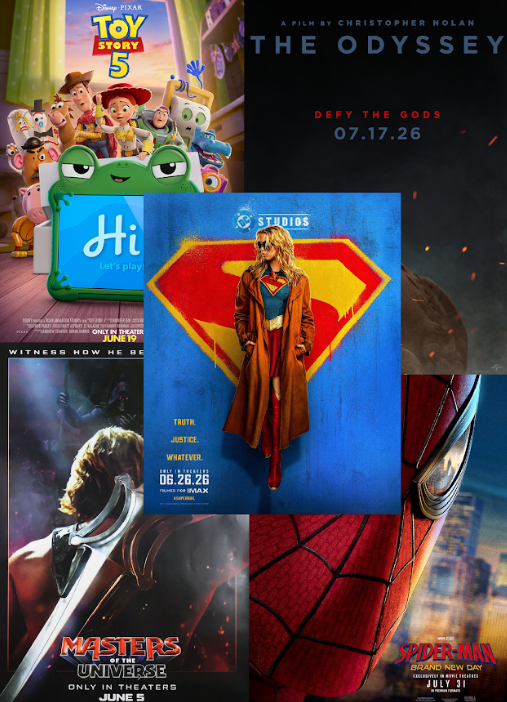










Netflix’s apprehension towards wide releasing their award-contending projects in theaters, while fully having the ability to, is actively diminishing the cinematic experience.
With over 300 million active paying users, Netflix has become a figurehead of the streaming revolution. This movement, while responsible for some good, has harmed movie theaters and viewer habits to an unprecedented degree.
The streaming model inherently encourages staying at home; it sells convenience, providing the viewer with readily available content that they can sink their teeth into whenever they please.
While I think this design is justifiable for casual entertainment consumption, when it comes to films that people (and awards voters) are supposed to take seriously, giving the movie a proper theatrical release is essential in conveying that legitimacy.
“I definitely think [the experience] should be celebrated and emphasized more,” says COMPASS English teacher Carolyn Glose, who values the theater experience for the community and authenticity the environment brings.
Glose noted how the structure that Netflix and other streaming services follow can lessen a film’s overall impression, stating how it’s “minimizing the art” and making audiences “lose grasp of how difficult it is to create a great film.”
What’s especially frustrating is that Netflix can showcase their more prestigious features on the big screen, but refuse to do so on a wide scale.
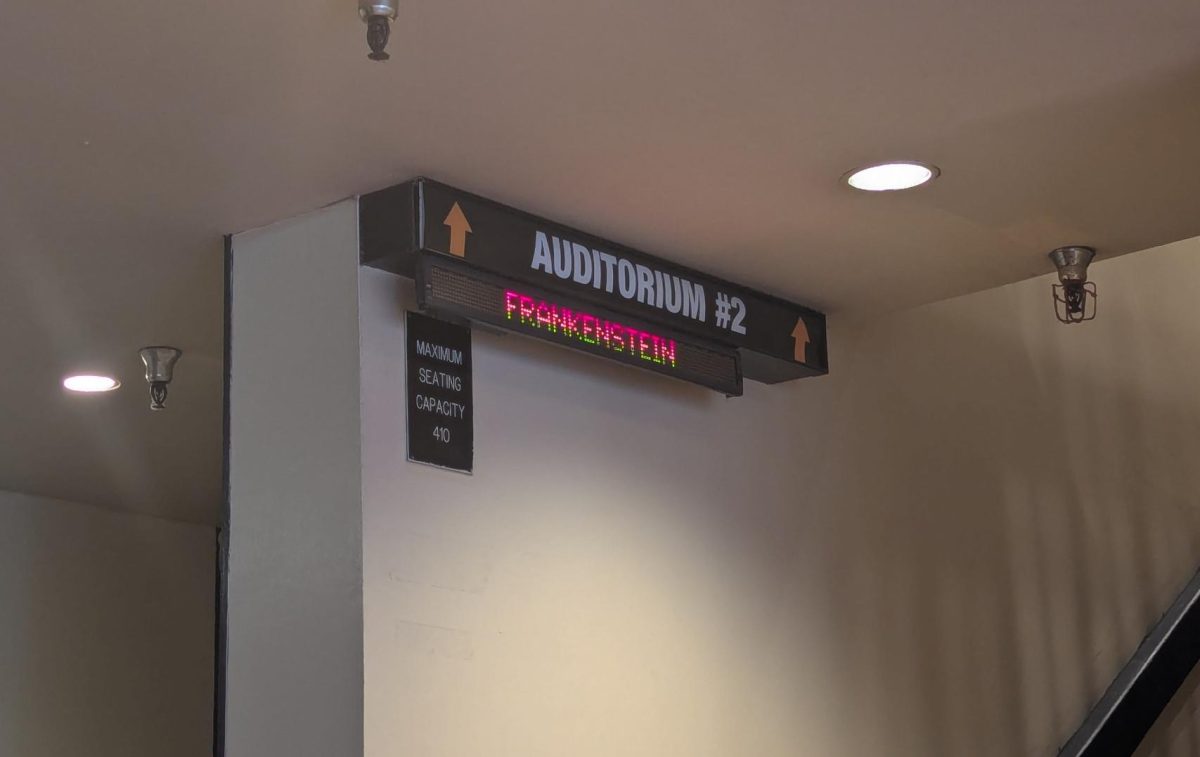
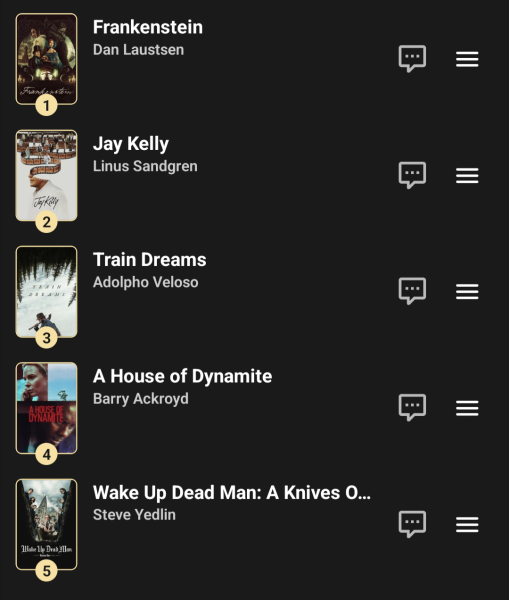
Guillermo del Toro’s “Frankenstein” was added to the platform on Nov. 7 with a limited theatrical run in the weeks leading up to its streaming release date.
I was lucky enough to see the film in theaters, and despite the longer commute and pricey ticket, the experience I had seeing those striking visuals and breathtaking story on a cinema screen was genuinely magical.
Netflix is holding themselves back as a company and robbing their viewers of possibly extraordinary spectacles by so strictly adhering to their model.
PEACE junior Lauren Van Andel believes accessibility is ultimately what’s most important, and “as long as a movie gets the attention it deserves, it’s not a disservice to put it straight to streaming.”
Van Andel acknowledged how both formats could play a role in strengthening Netflix’s acclaimed status and bring more eyes to their projects.
“After all the money Netflix uses to make these movies, it’s a waste not to spend more on advertising and making them more known to the public,” Van Andel stated, and theatrical releases can help accomplish this.
High-quality entertainment deserves to be accessible, and not everything Netflix produces has to be theater-worthy, but when it comes to competing with other studios and giving esteemed works a chance to shine, Netflix should adapt.
Their films deserved to be projected on the big screen, not bogged down by overstuffed catalogs.


Annabelle Lawrence • Feb 3, 2026 at 1:33 pm
I was inspired to read this article because of my personal experience watching the Stranger Things finale in theaters with my family on New Years Eve. I found it to be a great community experience, and one that gave the scale of the finale the perfect amount of spotlight. In her article, Daigle did a great job of highlighting the impacts streaming has had on the movie industry. She specifically emphasizes convenience, and how this form of consumption has decreased the respectability of film. Furthermore, Daigle uses the example of Frankenstein, a movie that would traditionally have a theater run but instead spent limited time on the big screen. Through a description of her own experience seeing the film in theaters, Daigle brilliantly proves that streaming can’t match the theater experience. While Daigle does admit that entertainment should be accessible, I thought she made a great point in saying longer theater runs could help both Netflix and the film industry. By the end of the article, I found myself feeling hopeful for more potential theatrical releases of Netflix movies.