

















Last year at Millikan, students and teachers saw a big increase in the usage of generative artificial intelligence (AI) in schools. This increase isn’t just from students using AI, but teachers too. Due to its convenience, AI can help with finding out if their students are also using AI.
Mr. Lange, the Department Head for the World Language Department, French 1-2 and French 5-6 teacher, said, “I use it to generate content. So, if I want to do interview questions in French related to a theme tied to what we’re learning, I can ask AI to create questions and then paste those into my slides and then project those.”
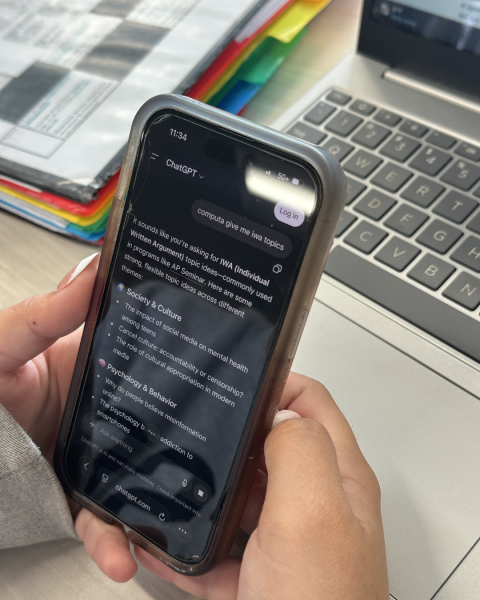
While some teachers are using it to add more creative aspects to their lessons, some are using it to grade assignments. This usage has become controversial for students and parents alike since it seems like its contributing to the cycle. Lily Calzada, a sophomore in QUEST, said, “I think it’s pretty hypocritical to be criticizing AI while also using it at the same time because that just doesn’t make sense to me. And I feel like there’s better ways to actually check if AI was really used.”
Ms. Terry, QUEST sophomore English and AP Seminar teacher, said “I think the best way to reduce inappropriate AI use is to create assignments that emphasize the writing process, in-class writing, discussions, drafts, and reflection on thinking. Students also need clear expectations about academic integrity and why developing their own critical thinking and writing skills matters for their future learning.”
“I’m using it as a scaffold to make the lessons better. And [students] are using it like an elevator. They’re trying to get to the 3rd floor without actually ever having learned how to go up the steps to get to the 3rd floor. So, what happens when the elevator breaks down? They’re gonna be stuck on the 1st floor,” continued Lange.
This usage has become a cycle where students use it either as a tool or as something to rely on, but not only are they using it, teachers are too in similar ways, like grading students work with it or just utilizing it as a time saver.



Olivia Chire-Hernandez • May 25, 2026 at 3:45 pm
Dear Corydon Editor,
On May 1, 2026, Emma Croff wrote an article titled “AI in the Classroom: Tool or Shortcut?”. This article effectively highlights the growing presence of generative artificial intelligence in schools and how it is being used by both students and teachers. The author does a strong job of explaining that AI is not limited to student use but has also become a tool for teachers, as demonstrated by Mr. Lange’s explanation of using AI to generate French interview questions for lessons. This example clearly supports the idea that AI can enhance lesson planning and add creativity to classroom instruction.
The article also successfully presents the controversy surrounding AI use in education by including student perspectives, such as Lily Calzada’s concern about hypocrisy when teachers criticize AI while also using it. This strengthens the article by showing that there is not one single opinion on the issue, but rather a range of concerns and beliefs from both students and educators. Additionally, Ms. Terry’s quote provides a thoughtful solution by emphasizing writing processes, drafts, and reflection, which reinforces the importance of maintaining critical thinking skills in education.
One way the article may improve is by properly distinguishing the productive and harmful uses of AI. Overall, the article successfully presents AI as both a helpful educational tool and a source of ongoing debate within schools.
Sienna Meade • May 18, 2026 at 1:57 pm
I always knew that students were using AI, but I never knew that teachers were also using AI, which impacts our grades. I think that using AI to help with lesson planning is fine because it creates better ways for students to be engaged and to actually learn something, which is the whole point of coming to school. But, I do not think that grading with AI is beneficial for students, because it could lower a student’s grades if AI makes a mistake, which it definitely can. I use AI to make study guides and to help me study for tests, but I do not think it is as big a problem as people are making it out to be. I also agree that if teachers create more assignments that are either due in class or on paper, they can generate responses that are one hundred percent student thought. This article helped me understand that AI is such an integrated part of the education system that it will be pretty hard to get rid of and is most likely going to be a part of the education system for a long time.
Vilayah Kem • May 18, 2026 at 1:35 pm
This article caught my attention because I can recall many accounts of AI being used in schools. AI is nothing new, I have heard of students using it for assignments since middle school, and I also sometimes use it to create study guides and get a deeper understanding on a topic. Still, it has become especially present today. Croff includes teacher’s opinions on AI, as some use it for assignments while others are against it. I admire how the article mentions a teacher’s take on how to reduce the use of AI, as this issue can seem unsolvable.
Additionally, Croff also adds a student’s perspective, which talks about the imbalance between “criticizing AI while also using it.” Furthermore, AI is a huge global issue. Providing different aspects from both students and teachers allow readers to form an opinion of their own, which is essential in a dividing society. In brief, I appreciate Croff for highlighting new angles of such a popular matter.
Amari Garcia • May 18, 2026 at 1:20 pm
This article was very well written. Especially with the format and proper grammar used to help the readers understand the article without having to pause to understand what a sentence just said. As well as getting teachers who are language teachers to show their perspective on AI. Knowing how a teacher may use it to help their lectures and seeing how students react to teachers using AI. Even better when Emma brings up the controversy with parents and the teachers and backs it up with evidence from Lily Calzada. Lily reveals how she feels about teachers using AI to grade students’ assignments and it seems very passionate.
With Mr. Lange and Ms. Terry as credible sources to teaching, they see AI as either a tool or a prohibitor. Mr. Lange uses it as a tool but believes that students should avoid AI because it will only hurt them later on in life. Ms. Terry shows us that we can avoid students using AI by having teachers change their curriculum to a more hands on approach. She is very credible because her class follows her guidelines and students have no real way to use AI to their advantage.
Lastly, I do think that the conclusion could have been written in a way that reflects on the audiences’ use of AI. The people reading this article are most likely teachers, students, and even parents. A concluding question could have been “In what ways do you rely on or use AI to help you?” Another conclusion could be “The controversy pertaining to AI is very polar. Students tend to either use it as a tool or an answer sheet which becomes a larger problem later on in life. Students also believe that teachers are hypocritical when it comes to teachers using AI to aid them when students are told not to. AI is a new technology that surrounds day-to-day life and has now been leaking into schools. How have you used AI to help you with an assignment or task?” To summarize, this article was very informative and helps its readers understand how Millikan’s community is being affected by AI.
Zoe • May 18, 2026 at 1:04 pm
The article does a strong job explaining the growing use of AI in schools from both student and teacher perspectives. It includes multiple viewpoints from teachers and students, which makes the discussion balanced and realistic. The quotes from Mr. Lange and Ms. Terry help explain how AI can be used as a helpful educational tool instead of simply replacing learning. The elevator analogy especially makes the message memorable and easy to understand. The article also effectively highlights the controversy surrounding AI and academic honesty. One suggestion would be to include more student opinions and possible solutions schools could use to create fair AI policies. The article could also explain more about how teachers detect AI-generated work and whether those methods are always accurate. Overall, the article is informative, relatable, and thoughtful because it shows both the benefits and risks of AI in education while encouraging readers to think critically about how technology should be used in schools.
Zoe Johnson
Maxime Meredith • May 18, 2026 at 11:36 am
I want to commend Emma on their well-reinforced perspective on the use of AI in education at Millikan. The balanced approach highlights both the benefits and the potential negatives of generative AI. I see your point that AI, when used as a scaffold, can enhance lesson planning and creative teaching, as in Mr. Lange’s example of generating interview questions. However, I also share your concern about over-reliance on AI, especially in grading and assessments, which can undermine genuine learning. On the other hand, Ms. Terry emphasized that fostering critical thinking through in-class activities and reflection is crucial to combating misuse.
I believe that AI’s convenience shouldn’t overshadow the importance of developing students’ independent skills. Your warning about students and teachers using AI as a shortcut resonates deeply. We must ensure AI complements education rather than replaces authentic learning, hindering development. I strongly think Emma’s analysis of both perspectives added tons to the argument.
Stella Sivitos • May 18, 2026 at 11:31 am
When looking over this month’s Millikan Corydon, I came across this article because it sparked my interest as the ongoing controversy of AI remains on how it should be used responsibly. While AI can be a useful tool in education, it can also hinder education.
I love how you gave different perspectives from both teachers and students over the usage of AI in school, especially how one student said that it is not fair if teachers are able to utilize AI as a tool but students are not. It goes both ways and that is only what is fair. If there were guidelines over the use of AI then it should be applied to both teacher and student.
To enhance this article it would be significant to point out whether or not AI actually helps or hinders student learning as it can help aid students in understanding material in a more comprehensive manner. AI should support learning, not replace it.
Matteo Montiel • May 18, 2026 at 11:21 am
I like the way Croff structured the article around quotes from important sources like the Millikan teacher. I also appreciate the description of AI’s place in schools because I can relate to it very much. I think AI can be a very useful tool that is very efficient, similar to Mr. Lange’s perspective. If you need help studying, it can give you a quick study guide from your phone, or it can help with lessons for teachers. However, it raises concerns in schools when AI is overused, mainly by students. Aligning with Ms. Terry’s point of view, when students heavily rely on AI for all assignments or any scenario, they lose their ability in thinking critically, which is very necessary in life. Not only this, but students use AI to cheat, questioning educational integrity. I like Mr. Lange’s analogy of the situation where students “skip to the third floor” but don’t know how they got there. As a suggestion, Croff could potentially add another student’s opinion on AI from a student’s perspective to get both sides of the story.
Stella Daguro • May 18, 2026 at 11:07 am
I am writing in response to the article “AI in Schools” by student reporter Emma Croff,
published on May 1, 2026. I enjoyed how the article demonstrated varying perspectives from
both teachers and students rather than only focusing on one side. The quotes from Mr. Lange and
Ms. Terry helped illustrate how AI can be used as a learning tool opposed to just something
students use to cheat. Adding on, I thought the “elevator” comparison Mr. Lange used was really
effective because it clearly illustrated the concern about students becoming too dependent on AI.
At the same time, the article raised a significant issue regarding fairness. I can see why
students are frustrated with the fact that teachers criticize AI, while still using it themselves. That
part made the article feel very relevant because AI is becoming a bigger part of school every day.
All in all, I thought the article was balanced, interesting, and relatable. It did a great job at
acknowledging the benefits as well as concerns surrounding AI in education, while also
encouraging readers to think critically about the use of it in school.
Jennifer De Haro • May 18, 2026 at 9:59 am
Croff does an amazing job at describing the impact AI usage has been having on students and surprisingly, teachers as well. Over the last few years since 2022 we have seen a major increase in AI apps that are specifically targeting students as an audience. Apps such as Gauth, ChatGPT, Uknowai, are all different apps students are using to get their work done. Personally, there has been mixed emotions about the usage of AI at Millikan. Some of my teachers encourage it while others prohibit any use of AI, yet use AI to grade or make up assignments. Croff mentions the perspective of both students and teachers at Millikan where students feel like teachers using AI are “hypocritical” to which I agree. Many of these apps including chatGPT have shown countless times that the answers they provide are incorrect. It is important that the students are receiving the right information from teachers rather than a bot that only has a possibility of getting right answers when asked a question. Croff also uses Mr. Langes Analogy of an elevator in terms of using AI referencing that students will never learn if they are so dependent on the use of AI. However, this brings up the question of how might teachers learn to teach their students if they depend on artificial intelligence to make up lesson plans and assignments for them?
Riley Millan • May 18, 2026 at 9:23 am
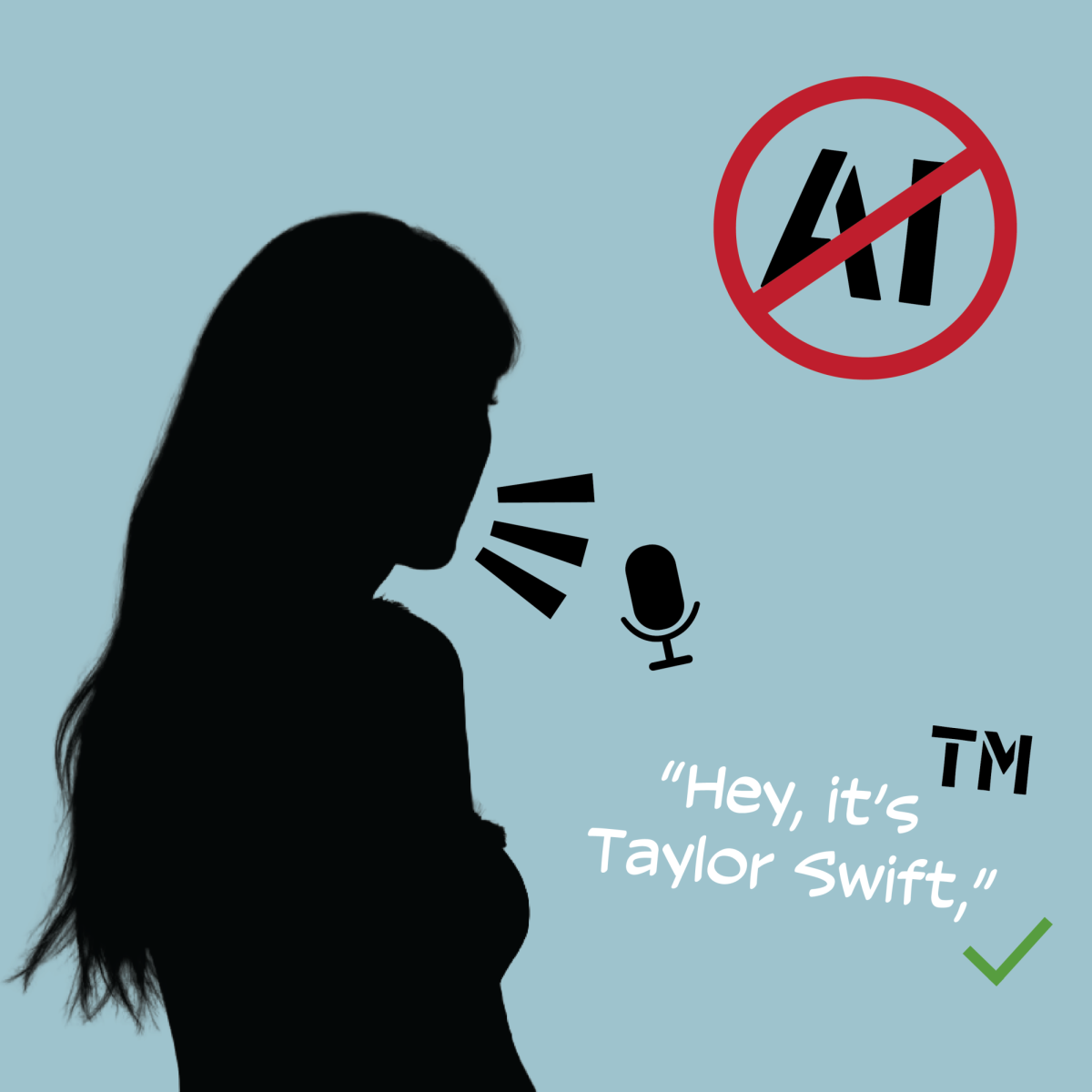
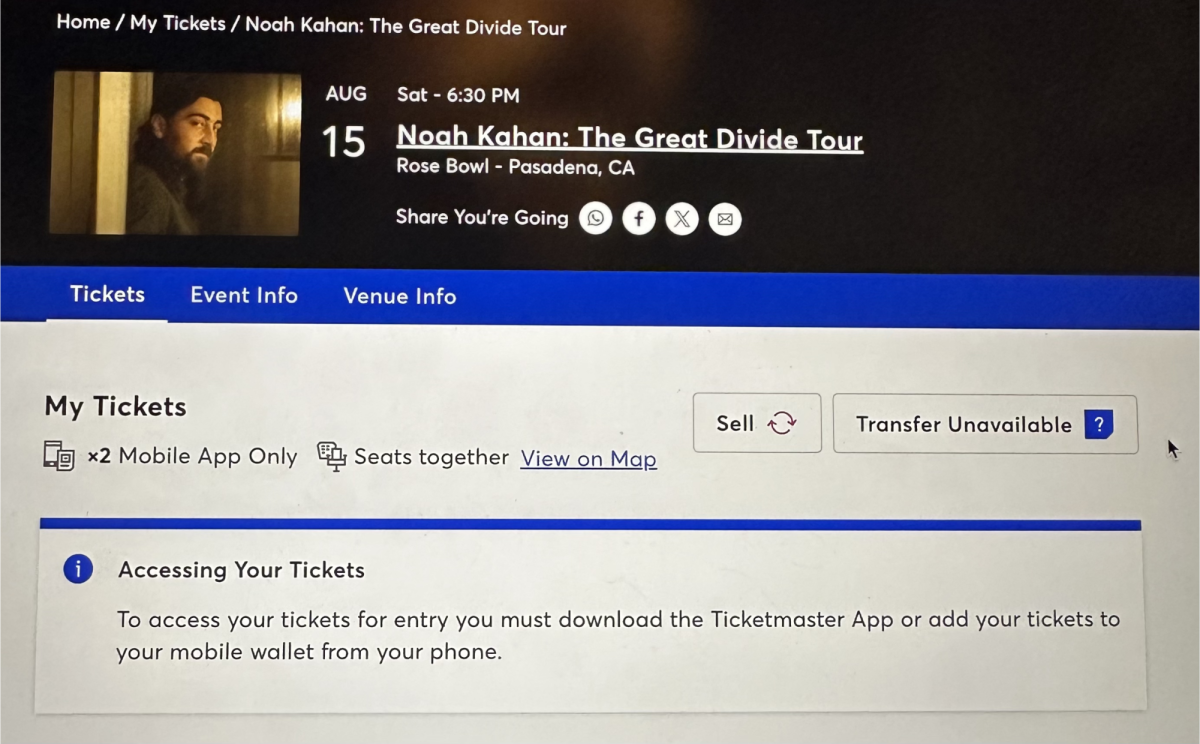
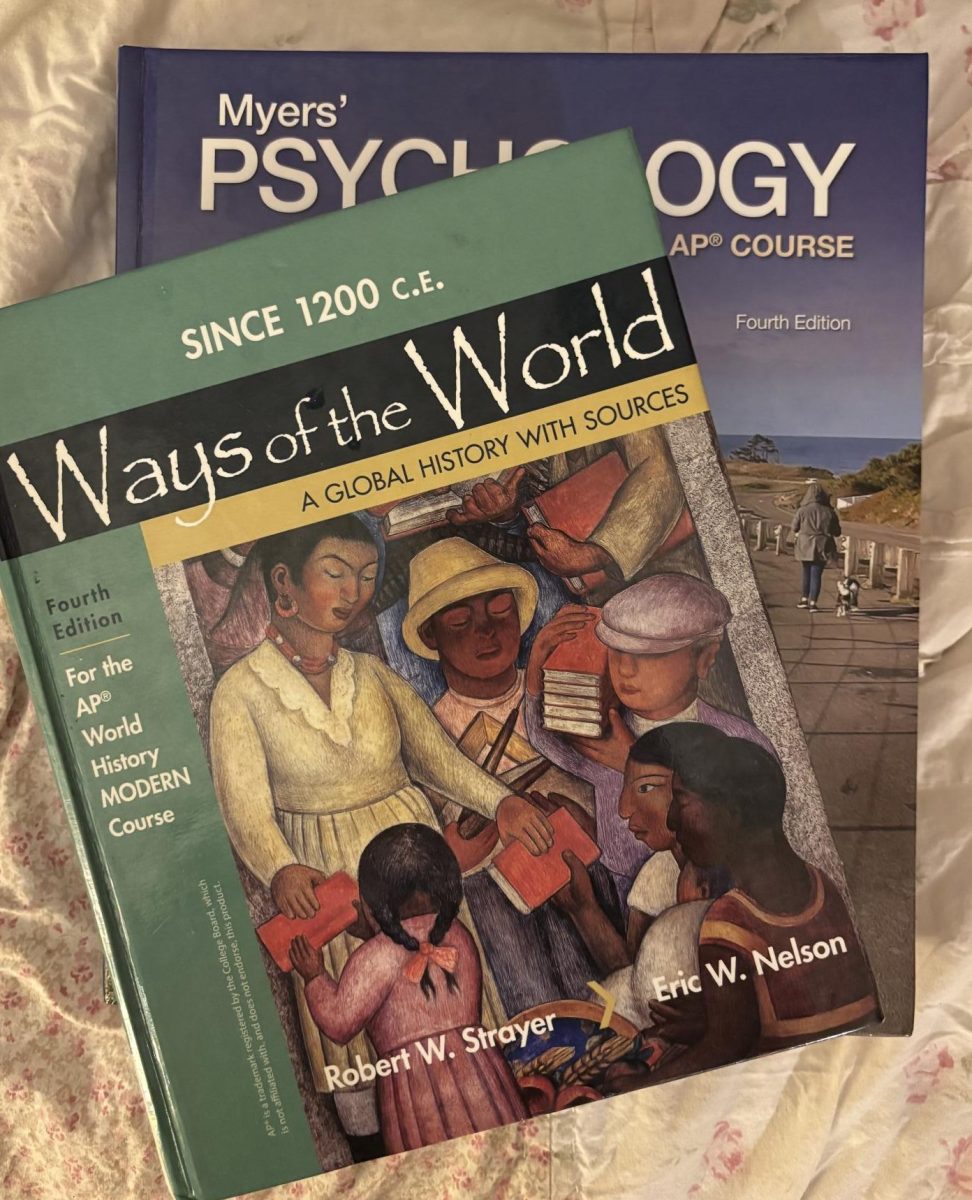
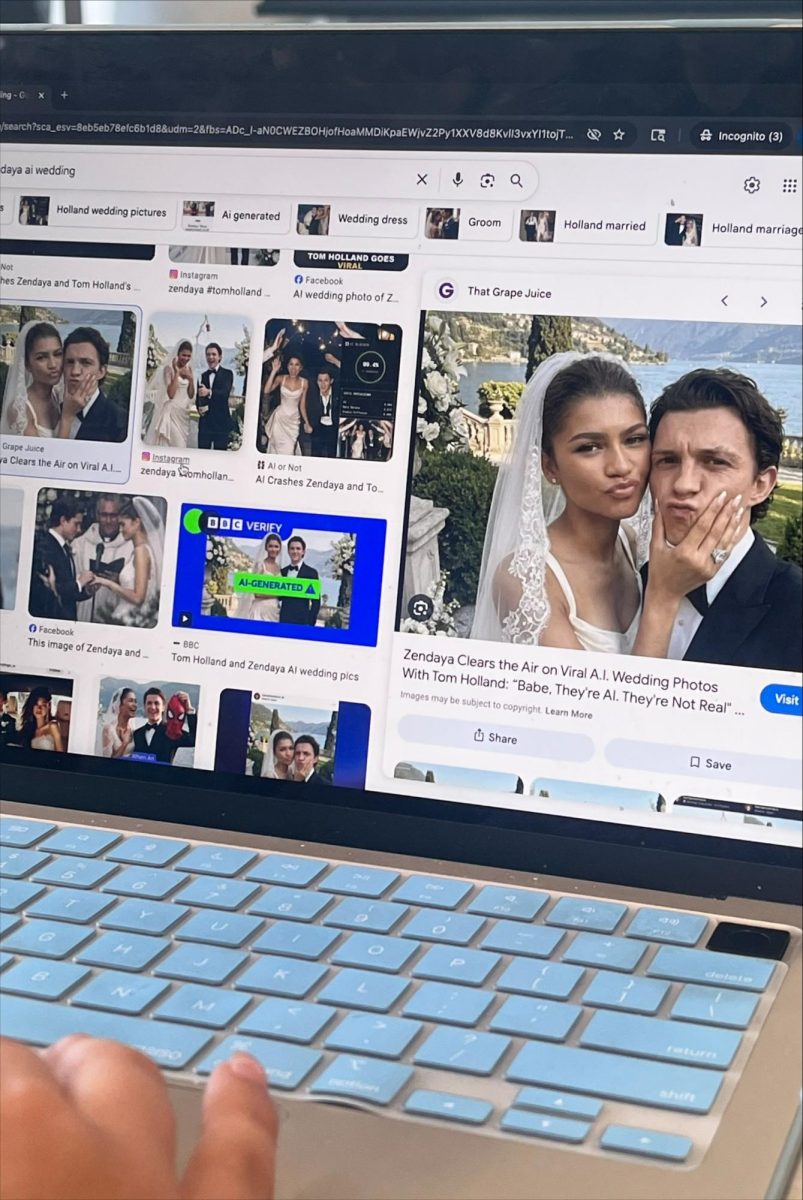
On May 1, 2026, Emma Croff wrote an article titled “AI in schools.”This article highlights what AI excels in and how AI can be harmful. However, it seems concerning that teachers are using AI to grade students’ work. I would like to see more input for more students about how they use AI in their lives outside of school. If more and more people are using AI in their school work how will teachers adjust for the shift to using AI to handle the situation? I really enjoyed the photos in the article because it shows off the range of things people can do with AI, whether it is generating an image or answering a question.
I also thought that the use of quotes from teachers talking about how they use AI in a positive way was interesting to hear about because most teachers seem to be against the use of AI. Furthermore, it can be concerning the use of AI among the teachers to do tasks that seem like they should be done without the usage of technology, especially when a lot of teachers have teacher aids. I would like to hear more from students on how they feel about their teacher using AI. If more teachers are using AI to grade papers what if AI makes a mistake and the teacher doesn’t look over it themselves? Overall, this article really emphasized different perspective on the usage of AI and why it can be harmful.
Brooke Brown • May 15, 2026 at 1:35 pm
On May 1, 2026, Emma Croff wrote an article titled “AI in Schools”. Everyone knows that students use AI for any type of schoolwork. I was shocked to find out that some teachers use AI as well. I originally thought that it was just students so finding out that teachers was honestly surprising.
Including a teacher who uses AI, like Mr. Lange, was a great idea. It gives the article credibility so that the readers know that teachers actually do use AI to generate things for their classes/students. I also liked how you use another teacher Ms. Terry, as a different perspective of AI, who is actually trying to combat it rather than use it in her class. The two contrasting perspectives were interesting to see.
I admire how other students think that teachers using AI is a controversial topic. I agree with what Lily Calzada, a student, had to say about the use of AI concerning teachers. I do think it’s weird how teachers do not condone AI, however they use it in their own classes.
Aldo Garcia • May 15, 2026 at 1:30 pm
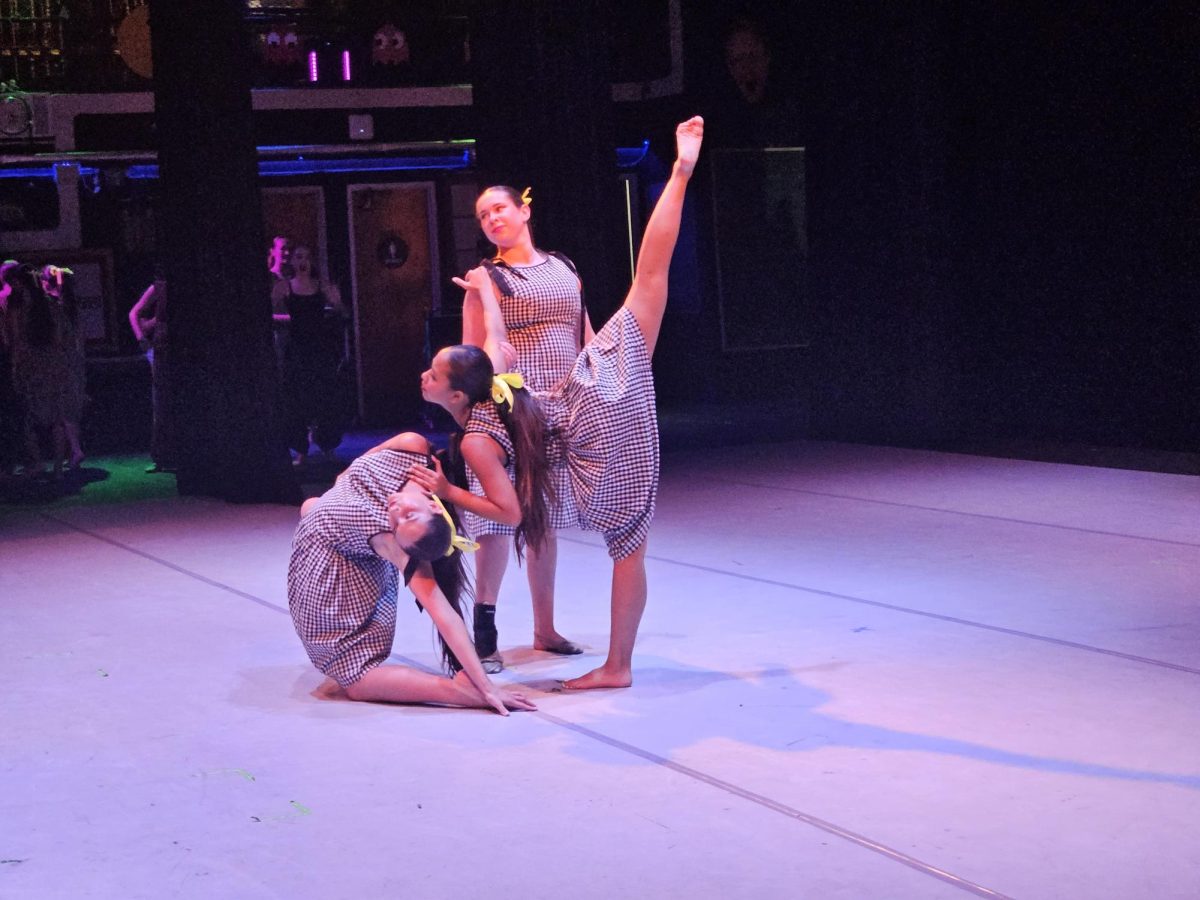
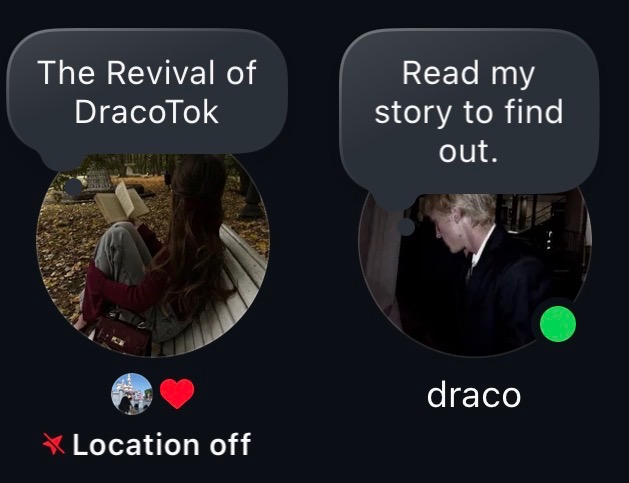
On May 1, 2026, Emma Croft, wrote an article, “AI in Schools“. Your writer did a good job including relevant photos. The first photo is a bit big and distracting, I do like how it depicts how teachers also use ai. I think the photo could be integrated a bit smoother as it is just really big and a little out of place. I agree with your point about ai actually being a good thing when used as a tool which can save time. I also liked the insight from Ms. Terry, I had her as a sophmore and I think her assignents actually did a good job preventing the innapropriate use of ai in assignments. I am sure there are a lot of students who abuse ai as much more than just a tool. The article was overall really well written and informative on the use of ai here at Millikan. It targets an important issue and includes muliple credible sources.
Natasha Willaert • May 15, 2026 at 11:52 am
On May 1, 2026, Emma Croff wrote an article titled “AI In Schools”. I really enjoyed reading the article about the increase of AI usage at Millikan because it discussed an issue that is very relevant to students today. The article did a great job including different perspectives from both teachers and students, which made it feel balanced and informative. I especially liked the quote comparing AI to an elevator because it clearly explained how students can become too dependent on technology instead of learning skills on their own. The interviews and examples made the article more engaging and helped readers better understand the topic. I also appreciated how the article showed that AI can be useful for teachers when creating lessons and activities, rather than only focusing on the negative side of it. Overall, the article was thoughtful, interesting, and easy to connect to as a student.
My reaction to the article was that it made me think more deeply about how AI affects education and learning. I agree that AI can be a helpful tool when it is used correctly, but I also understand why some teachers are worried about students relying on it too much. The article raised an important point about fairness because both teachers and students are using AI in different ways. It also made me realize how common AI has become in schools and how difficult it is to completely avoid. In general, I think the article is informative because it encourages readers to think critically about the role of AI in education while still recognizing the benefits it can provide.
Juliana Reichardt • May 15, 2026 at 11:24 am
On May 1, 2026, Emma Croff wrote an article titled “AI in Schools”. Artificial Intelligence has had such an impact on not just school but the entire world. While I believe we should keep AI out of the classroom, it cannot be denied that it can make monotonous tasks more convenient. I agree that we need to have proper discussions on student expectations because if a hard line is going to be drawn, then it should go both ways. Teachers expect that students are turning in authentic assignments, and it is not a stretch that students would want authentically graded assignments.
All this to say it is an ongoing conversation. School is a place of learning and innovation. It makes sense that many are scrambling to integrate such a useful new tool. It also stands to reason that its usage should be monitored and done with intention. I know many teachers would benefit from having more scaffolding holding up lesson plans, and if they do it with AI, what can students do? Overall, there is no simple solution, and probably won’t be for a while. It is important to highlight this discussion as many choose to turn a blind eye to its integration and impact on students and teachers alike.
Melissa Ly • May 15, 2026 at 11:19 am
On May 1, 2026, Emma Croff wrote an article titled “AI in Schools.” In this article, she mentions the increased usage of generative AI at our school and how it’s being used by teachers to support learning and sometimes, controversially, for grading. She uses two teacher perspectives, from one teacher who uses it to generate content for lesson plans and projects, and from another teacher who offers a suggestion to offset unnecessary usage of artificial intelligence. Additionally, she uses the perspective of a student who finds it hypocritical that teachers have a distaste for artificial intelligence while using it themselves. I think she did a good job explaining a variety of perspectives and covering the topic in a concise way, but I feel that she could’ve gone over the usage of AI for grading a little bit more. I think adding another perspective from a teacher who actually uses it to grade their assignments would add more details about this specific type of usage. Overall, she does a great job summarizing the issue and the various ways in which AI is being used by teachers in the classroom.
Aubrey Bestelmeyer • May 15, 2026 at 11:14 am
Emma Croff weaves together student and teacher opinions on the use of AI in classrooms. She displays contrasting views, with some teachers valuing the tool for its assistance in constructing lessons while some students see this as hypocritical due to criticisms and restrictions of AI for student use. This article successfully integrates differing viewpoints and a variety of people to give their opinions.
I am very interested in how AI use for teachers might be prohibited or supported in the future due to student and parent backlash against the hypocritical policies since students are not allowed to use it for any school assignment. Croff brilliantly includes a perspective of a Millikan teacher, Ms. Terry, who explains the reasoning behind the teacher’s use of AI in contrast to student use of AI. She notes that while teachers use AI for assistance in improving their teaching, students often use it as a short cut that inhibits their opportunities to learn.
All in all, this was a very well written article that stayed both engaging and informative the entire time. Great job and I can’t wait to read more of your articles in the future!