










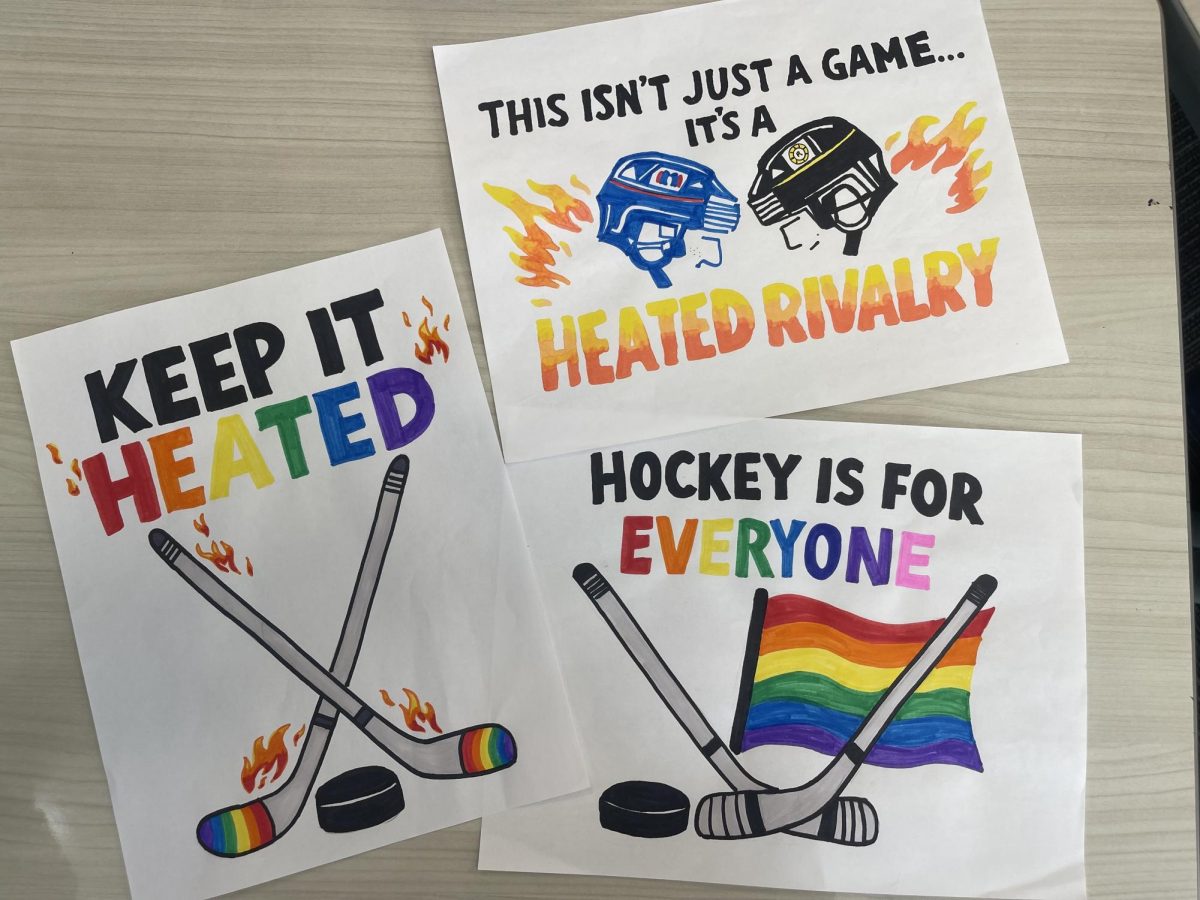
Hockey’s newest fans aren’t just finding the sport in rinks but finding it on their screens. The popular television series “Heated Rivalry” has sparked a surge of interest in hockey culture, drawing viewers who may have never watched a full game before.
Centered on intense competition, the series follows the secret relationship between two rival professional hockey players. By centering a same-sex romance in the traditionally hyper-masculine world of professional hockey, the show explores themes of identity and belonging, resonating strongly with LGBTQ+ audiences seeking representation in men’s sports.
Michael Trinidad, AP Literature and Composition teacher, shared, “One of the things that draws people in is strong, character-driven storytelling. Audiences often connect to the human experience first, and that connection can spark interest in the sport itself.”
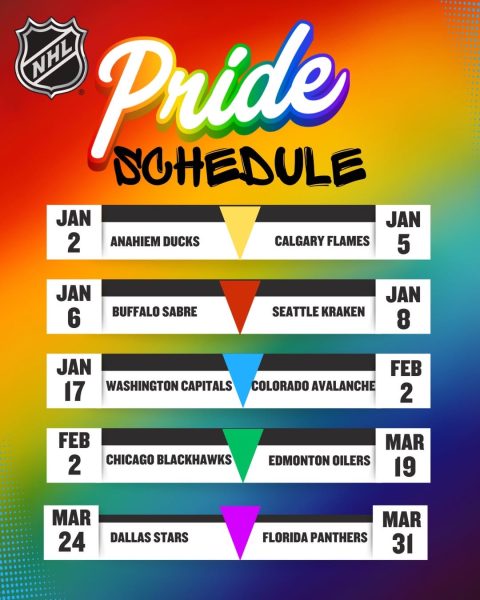
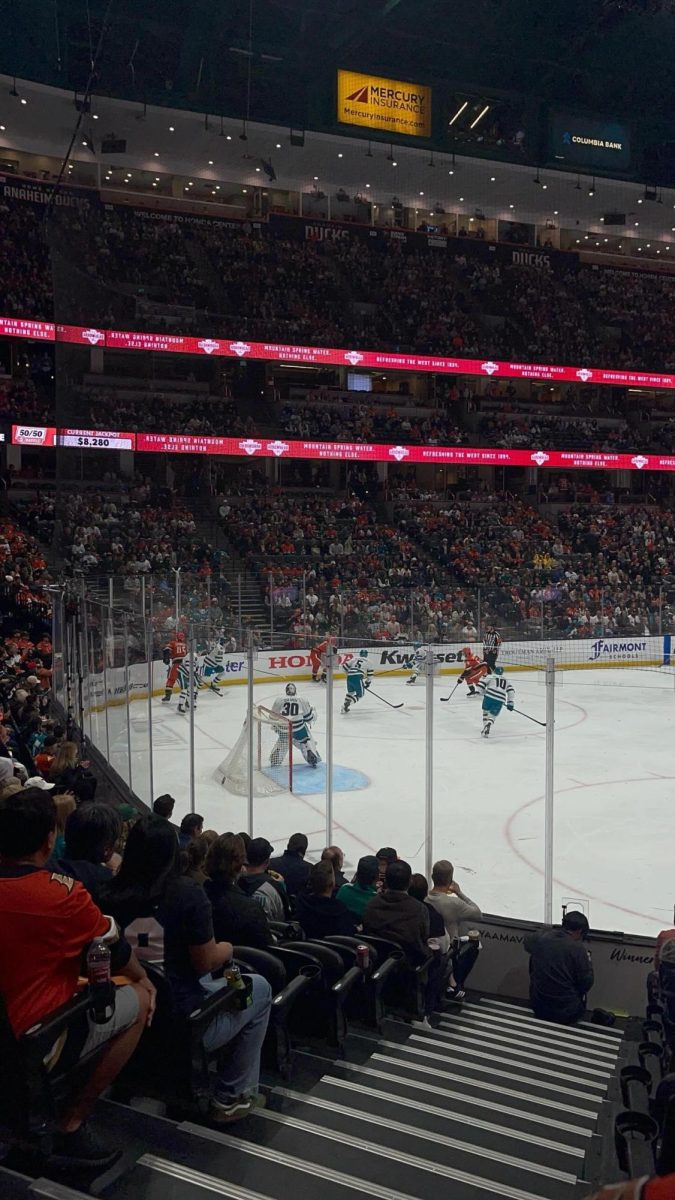
That curiosity has translated into real-world impact. Local hockey teams and NHL organizations alike are seeing increased engagement, particularly at market-specific themed events such as Pride Nights. Teams including the Seattle Kraken, the Chicago Blackhawks, Anaheim Ducks, and the New York Rangers have hosted Pride Night events to celebrate inclusivity and LGBTQ+ visibility in hockey.
During these games, players have also used rainbow pride tape on their sticks to show support. For fans who discovered hockey through “Heated Rivalry,” Pride Nights mirror the themes of visibility and acceptance portrayed in the series. Seeing real players and teams publicly support LGBTQ+ inclusion helps bridge the gap between fiction and reality, making the sport feel safer and more welcoming.
Shae Parkhill, a QUEST senior, said, “[Fans] are going to have more confidence in themselves to go and be who they are.”
At several hockey games, arenas have featured music associated with “Heated Rivalry” during breaks and intermissions. The familiar soundtrack creates an immediate connection for fans, blending pop culture with live sports in a way that feels intentional and inviting.
“What made the sport feel more relatable wasn’t the gameplay itself, but the human stories behind it, the idea that athletes are navigating identity, expectations, relationships, and public image while performing at a high level. That personal dimension made the world of hockey feel more real and accessible,” says Trinidad.
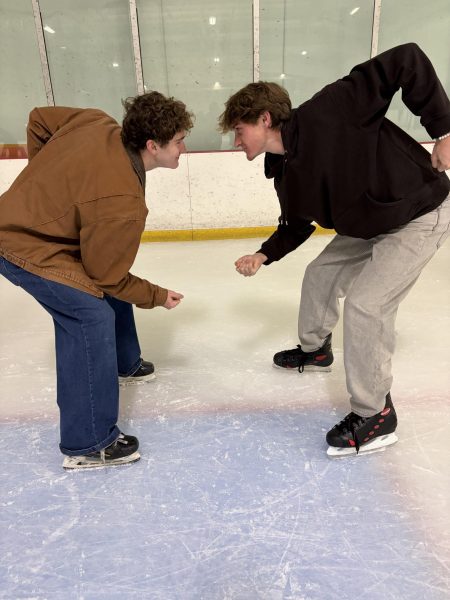
“It’s very interesting that they’re taking a popular show about hockey and incorporating it into the hockey world to try to get more people to come watch hockey,” said Davis Outten, QUEST senior, after watching the show.
The rise of “Heated Rivalry” shows that when fans feel represented, they are more likely to show up, cheer, and stay. As Pride Nights continue and pop culture becomes more intertwined with professional sports, hockey’s fanbase is expanding in ways that go beyond the scoreboard.