
























Over the past five years, anime has experienced a dramatic surge in popularity, solidifying its place in mainstream media and global entertainment. What once primarily appealed to a niche population has now become a dominant force in theaters, streaming platforms, and online culture, largely fueled by high-profile releases and renewed fan engagement following the COVID-19 pandemic.
Crunchyroll, a leading streaming service for Japanese anime, had seen three million subscribers in 2020 to over 17 million in 2025.
Major franchises have led charge, “Demon Slayer” returned to the big screen with its release of the Infinity Castle arc, “Chainsaw man” expanded its gritty universe through a highly anticipated adaptation of the Reze arc, and “Jujutsu Kaisen” has remained at the center of pop culture within its newest release of its first movie, recapping the “Shibuya incident” and kickstarting two new episodes to the release of the third season that unleashed on January 8, 2026.
Maxwell Styzens, a junior in SEGA has stated, “ 2020 made the anime community look weird with certain fanbases who got a little crazy during lockdown. However now with movies such as “Demon Slayer” and “Chainsaw Man,” film watchers get to view the good side…” Thus providing new audiences into this form of media, creating communities that share interests and speculations.
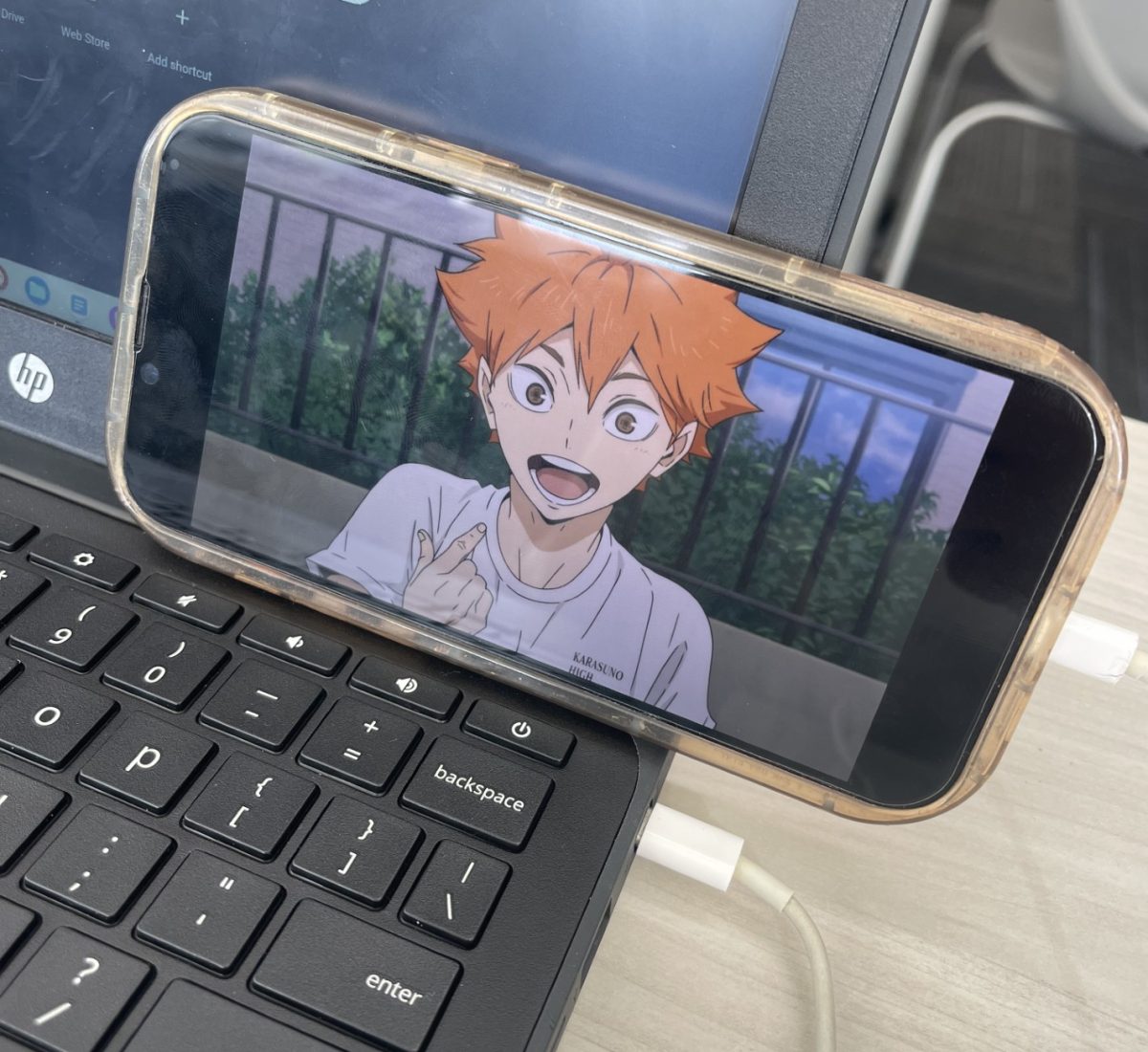
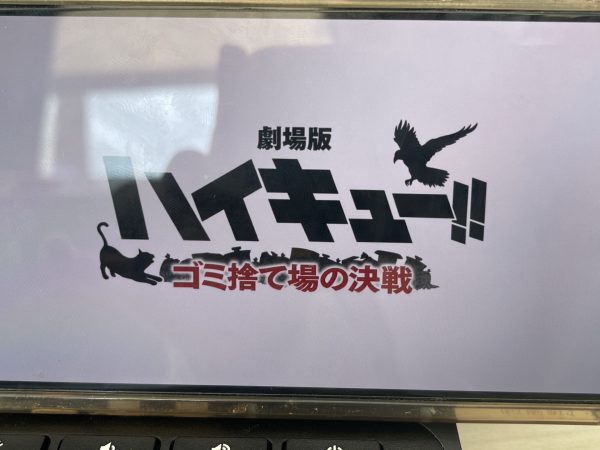
Sports anime has also benefited from this resurgence.“Haikyu!!” recently reignited excitement among long-time fans by releasing a teaser for its upcoming “Haikyu!! vs. The Little Giant” movie covering Karasuno’s match against Kamomedai High, scheduled to be released in 2027. Alongside this, a newly announced episode, “The Place Where Monsters Go,” revisits the beloved series’s intense volleyball rivals from the schools Fukurodani Academy and Mujinazaka High School.
Mr. Newman, a PEACE teacher, expressed that, “It depends on the classes that I taught, I used to teach more SEGA classes and there were a lot more students that I noticed liked it in that pathway…but I have noticed a rise in viewership.”
The COVID-19 pandemic proved itself to be a key factor in this medium’s growth as a whole. With global audiences turning to streaming during lock downs, it has found new viewers and continued support.
Combined with higher quality production and new releases, this boom appears to be more of an ongoing trend and a permanent shift in global entertainment.



Nina • Feb 3, 2026 at 1:41 pm
While reading this article, I thought that Jade used a good range of sources to support the article. I liked how the interviews were with people from different pathways at Millikan, with one source being a SEGA student and another being a PEACE teacher. This gives the article a well-rounded feel that makes it seem more trustworthy. Also, I clicked on this article because I recognized the picture of “Haikyu!!” on the front cover, which I think was a good choice to draw in readers who are fans of anime. Another thing I appreciated about this article was the timeline that is easy to follow and visualize from it. When Jade talked about how anime began to surge in popularity after the COVID-19 pandemic, to mentioning the “Demon Slayer” movie that came out last year, it made it easy for me to see the arc of anime popularity. Additionally, the embedded links to the Wikipedia pages of each anime is something that is very helpful and encouraging to others who might want to get into anime.
Addison Yoon • Feb 3, 2026 at 11:16 am
I appreciate the time dedicated to researching accurate numbers regarding the new surge in popularity of anime. The examples of Crunchyroll analytics emphasize the massive growth in the anime audience. The quotes Chuong utilizes from familiar Millikan community members really shows the fan bases side of this ordeal. I like the two different perspectives on how the COVID-19 pandemic has affected anime viewership. For example, Maxwell Styzens’ words on the 2020 lock down affecting how people see the general anime audience as “a little crazy” is humorous and true, while on the other hand, Chuong mentions global audiences turning to streaming during that period therefore continuing support and viewership rose. The contrast to listing upcoming anime movies/shows highlight the enormous amount of support that anime is now getting; whether 2020 impacted it in a negative or positive light. Chuong also notes towards the end how anime is only getting bigger and higher quality. Many believe the shift towards audiences going for anime is only going to grow from here.
Aliou Sullivan • Feb 3, 2026 at 8:54 am
I appreciated how clearly the article’s writer explained anime’s rapid rise in popularity, using specific statistics, such as Crunchroll subscriber growth, to illustrate the scale of its growth. One strength of this piece was the inclusion of students’ and teachers’ perspectives, which made the trend feel more authentic in our school/community. However, I was concerned that some readers who aren’t anime watchers might not understand why certain shows became such breakout hits. One suggestion I have would be to explain how social media has had a major influence on the growth of Anime, for example, TikTok and YouTube helped fuel this sudden surge in popularity. I also noticed that the article raises questions on whether this surge of anime is going to be temporary or longterm and I think expanding on that could strengthen the conclusion. Overall, my reaction to this article was pretty positive, and it left me wondering if anime’s growth will continue or if, eventually, this trend will lose momentum.
Tayme Ali • Feb 2, 2026 at 1:41 pm
I enjoyed reading this article, as it covers the change that anime went through from the pandemic up to now. I agree with the statement that newer audiences are attracted to what companies are now pushing out, as they depict the “good side”. I like the examples given, as they can push people to maybe give those shows a shot.
Although, I think the addition of a more in-depth description on how anime was depicted before the pandemic might help people visualize anime as a whole better. Maybe even adding a few more reasons as to why anime is mainstream now.
Cesar Gomez • Feb 2, 2026 at 1:30 pm
This article presents a clear and engaging overview of anime’s rapid rise in popularity in recent years, especially highlighting how the COVID-19 pandemic accelerated its move into mainstream culture. One major strength of the article is the use of concrete examples such as popular franchises like Demon Slayer, Chainsaw Man, and Jujitsu Kaisen, which help ground the argument in recognizable and relevant media. Including statistics about Crunchyroll’s subscriber count strengthens the article by providing factual support, while student and teacher perspectives make the trend feel more personal and relatable.
Overall, the article does an excellent job of showing why anime’s growth feels long-term rather than temporary. The discussion of sports anime like Haikyuu!! adds variety and demonstrates how different genres benefit from this resurgence. The writing is informative while still being accessible to readers who may not be deeply familiar with anime. After reading the article, it made me think more about how anime has become a shared cultural experience rather than a niche interest, especially among younger audiences, and how its influence will likely continue to expand in the future.
Ella Nguyen • Feb 2, 2026 at 11:53 am
Firstly, Chuong did well in demonstrating the uprise in the popularity and viewership of anime as a timeline. Particularly, she mentioned Crunchyroll, a Japanese anime streaming service, that gained about 14 million subscribers in five years beginning in 2020, which was an increase of over four times its amount of subscribers in 2020. Utilizing this, Chuong connected this to the COVID-19 pandemic, explaining its rise specifically starting during that five-year time frame. She also applied this not only to the streaming services, but to the anime fanbases while highlighting the changes and reactions within their communities as more seasons or movies of certain anime release. This created a sense of acknowledgement for readers who are part of these communities as well as a sense of understanding and new knowledge for those who are not.
Moreover, Chuong noted many well-known anime franchises that have led the charge for international popularity, such as Demon Slayer, Jujustu Kaisen, and Haikyu!!, which can allow readers to be able to do their own research with a starting point and enjoy these anime as well. Furthermore, she added the opinions of both a student and a teacher at Millikan High School, which amplifies the credibility of the article and the diversity of voices to consider. For instance, Maxwell Styzens’ outlook was helpful in providing a voice from the anime fan community while Mr. Newman’s perspective gives an outside observation that relates the phenomenon to within the high school.
As a suggestion, this article could be enhanced by adding an explanation of how these anime franchises have been able to get their movies in theaters, especially in the United States or elsewhere, and upgrade their production and quality of releases, such as the economic effect of this rise in popularity. Nonetheless, as a whole, Chuong’s article was excellent in its delivery and provided a multitude of the corners of the views on the rise of anime support over the recent years.