
























As preparations continue for the 2026 Winter Olympic Games, attention is turning to the athletes who will compete on snow and ice across northern Italy. Scheduled to begin on Feb. 6, the Games will take place in Milan and Cortina, bringing together the world’s top winter athletes in a setting shaped as much by geography as by sport.
The Winter Olympics operate differently from the Summer Games, particularly in how athletes train and compete. Summer sports such as swimming, track and field, and gymnastics take place in controlled environments that allow for consistent training conditions and large participation pools worldwide.
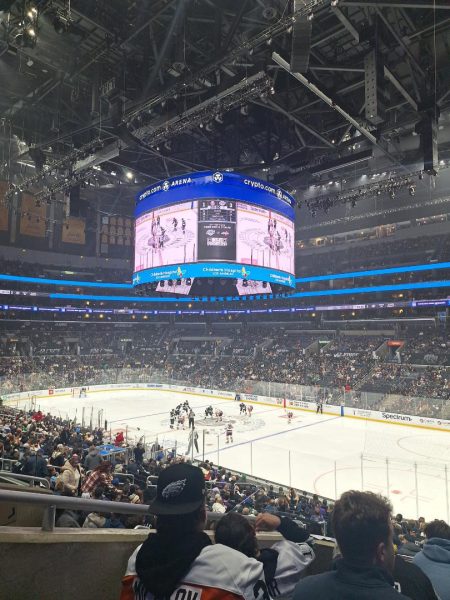
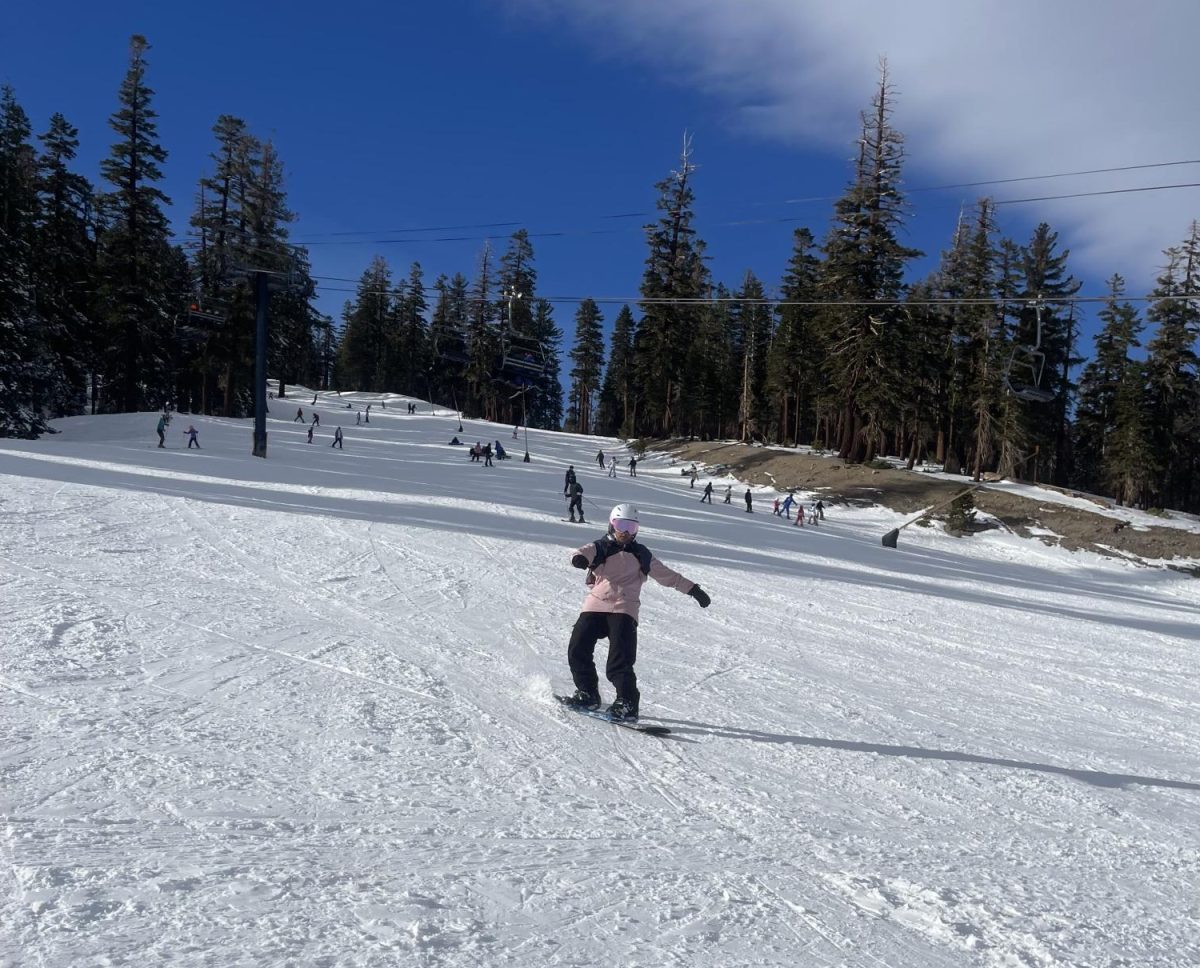
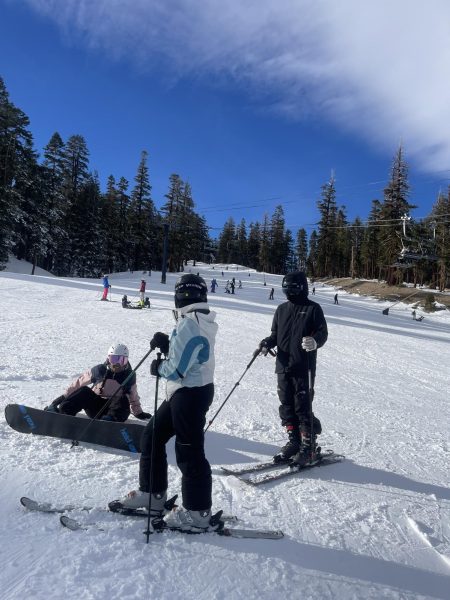
In contrast, Winter Sports depend on ice and snow, making athletes far more vulnerable to weather and location. As a result, pressure is mounting on Italian authorities to speed up preparations amid funding gaps and unusually warm temperatures. Delila Perez, QUEST senior, emphasized that these challenges should not overshadow the athletes themselves, saying, “With the amount of skill that every athlete puts in, that should be what makes it popular.”
This difference may also explain disparities in popularity. As Princeton Has, QUEST junior noted, “I think the Summer Olympics get more attention just because the sports are more common and they get more advertisement.”
These challenges are especially clear in hockey. The rinks used in Milan will differ slightly from the National Hockey League (NHL) standards, rinks that many international players play in. They are wider and about three feet shorter than what many players are accustomed to in professional league play.
Players have also been warned that Olympic accommodations will be far more basic than what they experience in the NHL, including temporary locker rooms and less efficient travel between venues.
Additionally, events are spread across multiple locations, athletes may have fewer opportunities to interact with competitors from other sports, even while staying in the athletes’ village.
Despite these concerns, national programs remain focused on adapting to limited training windows and unique venue conditions. The 2026 Winter Olympics will ultimately showcase athletes whose preparation and performance are shaped by some of the most demanding environments in international sports.



Sienna • Feb 3, 2026 at 10:13 pm
I have always been interested in the olympics, but I never really hear about the winter olympics, just mainly the summer olympics. This article helped me realize why the winter olympics are not as popular. I also did understand completely how much of an effect the weather has on winter sports compared to summer sports that are in the olympics. Winter sports such as snowboarding are not really that popular, but now I feel more interested in learning about them and actually watching professionals do them. Now I am more aware that not just the weather is a main factor in performance, but also for hockey with the rink being a bit different in size than players are used to. Players being able to adapt well to their environment should make winter olympic sports seem more interesting and fun to watch. I feel a greater appreciation for winter sports now and the conditions players have to experience compared to summer sports.
Sienna Meade • Feb 3, 2026 at 1:36 pm
I have always been interested in the olympics, but I never really hear about the winter olympics, just mainly the summer olympics. This article helped me realize why the winter olympics are not as popular. I also did understand completely how much of an effect the weather has on winter sports compared to summer sports that are in the olympics. Winter sports such as snowboarding are not really that popular, but now I feel more interested in learning about them and actually watching professionals do them. Now I am more aware that not just the weather is a main factor in performance, but also for hockey with the rink being a bit different in size than players are used to. Players being able to adapt well to their environment should make winter olympic sports seem more interesting and fun to watch. I feel a greater appreciation for winter sports now and the conditions players have to experience compared to summer sports.
Kellen Habig • Feb 3, 2026 at 1:24 pm
I clicked to read this article as I was not aware the Winter Olympics were happening so soon. I was surprised to read the different issues Guzman highlights within the article for the Winter Olympics. Guzman identifies that the athletes do not have the best environments for participating as opposed to the athletes in the Summer Olympics. This was a great way to shed light on a part of the Olympics that deserves way more attention. Athletes need to be in optimal areas to fully display the greatness of their work and talent. Guzman also shows how funds and accommodations are not great. However, what I think is a really good idea from Guzman to include is a quote from Quest junior Princeton Has where he mentions how the Winter Olympics seem to not get as much attention unlike the Summer Olympics. This is really important because not many people know the rigor and work it takes to become an Olympic athlete especially in winter sports. She knows how much better attention and effort should be given to such incredible athletes.
I really enjoyed Guzman’s article because she identified topics and issues that many people including myself might not have been aware of. As well as giving information on how the Olympics are addressing and facing these problems.
Reed Dunnick • Feb 3, 2026 at 9:52 am
I think your article does a great job explaining how the difference in training affects the athletes. I like how you included the different types of weather and compared the training from summer sports to winter sports. The part where you include quotes from Millikan students talking about why winter sports are more different in general made a great impact on your story. A suggestion that could make the article even stronger would be adding how the athletes try and adapt to different weather overall since they have to be in different parts of Italy. Some people might be excited to hear about that and see how it can make the difference in their routines.
Overall, your writing is super clear, and the topic is definitely interesting to a lot of us. This article made me think about how the Winter Olympics deserve more recognition for their hard work and skills. Finally, I enjoyed reading your article and learning more about the struggles for Winter athletes.
Hadley Becksfort • Feb 3, 2026 at 9:52 am
On January 26, 2026, Jordan Guzman wrote an article titled “2026 Winter Olympics”. Guzman wrote about how the winter Olympics can be much harder to train for because of the changing weather. Because winter sports require ice and snow, their training looks much different than those in summer sports that have controlled environments all year round. Guzman interviewed a QUEST junior Princeton Has, who said that the summer Olympics get more attention because the sports are more common. This is interesting because snowboarding and skiing are very common when it comes to the Winter season, similar to Soccer which only plays serious games in the spring and summer. Furthermore, since the Olympics are such a big deal, the Winter Olympics should be just as much advertised as the Summer ones.
It was also interesting to learn about the hockey players and how their experience is going to be much different in the Olympics because the Milan rinks are wider and shorter than NHL rinks. As well as that the accommodations are much more basic than the NHL, as they include temporary locker rooms and less efficient travel. Additionally, not only will hockey be the only difference this year, but also the community of all the athletes. Guzman mentioned that the winter athletes would not be able to interact as much with all the traveling between the locations of the competitions.
Tristan Ith • Feb 3, 2026 at 9:44 am
I found this article to be particularly interesting because I have never researched much into the Winter Olympics compared to the Summer Olympics. Guzman’s article helped me understand why most people do not engage as much with the Winter Olympics and why the Summer Olympics get more attention. It is well explained how the Winter Games hold events that are not as popular or common to the international world.
While Guzman does this, they also go into detail about the physical demands for preparation that participants in these games must meet. I enjoy how the comparison between the National Hockey League and the Games example was able to thoroughly demonstrate the severe differences between the professional sports associations and the Winter Games. This article markedly puts into perspective just how talented these athletes are and how they deserve more attention.
I do think it would be interesting to note the differences in expense between the Summer and Winter Games because it may enhance Guzman’s article by providing evidence that describes the efforts that are put into the two events. I wonder how the simplicity of the Olympic accommodations of hockey would apply to other sports events. Would they also be much more different and simple compared to the professional associations? I think it would also be interesting to know more about the mental strains that the athletes may face, considering that “athletes may have fewer opportunities to interact with competitors from other sports.” Overall, Guzman’s article helped me learn more about the Winter Olympics and capture my interest well.
Sadie Albert • Feb 3, 2026 at 9:41 am
Dear Corydon Editor,
On January 26, 2026, the Corydon published an article titled “2026 Winter Olympics” written by Jordan Guzman and I feel as though I must applaud the writer. This was a wonderful article to read and explore. It was expertly written and very informative. It explains concepts and controversies that I have never even considered concerning the Winter Olympics. It goes into depth while still keeping it easy to understand.
One thing specifically that I enjoyed were all of the links embedded into this article. If you wanted, you could simply read the article and still get a great understanding on the topic. Or you could try and get an even deeper insight and use the links that are throughout the article. They were easy to access, navigate and provided a deeper, more thorough understanding of the topic. They were all relevant and distributed evenly throughout the article.
This article was very well rounded and very insightful. It is easy to see how much research and extra effort went into writing this article. I loved this article and can’t wait for Guzman’s next published work.
Sincerely,
Sadie Albert
Tyler Carmichael • Feb 3, 2026 at 9:35 am
I recently read this piece while perusing the latest articles published on the Corydon, and this struck me as an informative piece. Guzman begins with giving great background information surrounding the Winter Games. In addition to that, she highlights the differences between the Winter and Summer Olympics, contrasting that the Winter Olympics are determined more by the conditions than that of the Summer Olympics. Guzman also discusses with Delilah Perez that the challenging conditions should not overshadow the skill of the athletes. I agree with Guzman on all of these topics and praise the spotlight she puts on to the less popular Winter Games.
Separately, I found this article to be impressive with its structure and complexity. The introduction of multiple quotes from interviews with students fosters a connection of this articles’ topics with others. Although, I find that adding further details, and maybe even a preview of some of the sports/events that will be held in Milan would make this article more informative. All in all, Guzman highlights the 2026 Winter Olympics and provides clear details of how it differs from the Summer Games.
Avery Paul • Feb 2, 2026 at 5:26 pm
Dear Corydon Editor,
On January 26, 2026, Jordan Guzman wrote an article titled “2026 Winter Olympics”, about the upcoming Games in Milano Cortina, Italy. Guzman details key differences between the Winter and Summer Games, including the former’s dependence on climatic conditions as opposed to the latter’s enjoyment of controlled environments. Guzman additionally supplements with student input, giving readers perspectives that others have about the event. One student said. “‘I think the Summer Olympics get more attention just because the sports are more common and they get more advertisement.’” helps the reader understand the disparity between the general popularity of the event. Another useful inclusion is the section detailing certain changes at the Olympics for hockey conditions, which are expected to differ from those expected in the NHL. This gives insights into the non-uniformity of different sporting bodies. A suggestion might be to include the effects that processes such as climate change have had on the necessary conditions for certain events over time, which was briefly touched upon with the mention of an “unusually warm winter.” Considering the last games in Beijing, China, where mostly artificial environments had to be constructed due to a lack of snow, it seems that a pattern is developing. Overall, this article succinctly explains the upcoming Winter Olympics and is a helpful launch point for further research.
Samantha Oropeza • Feb 2, 2026 at 1:51 pm
This article does a great job of providing a brief description of the 2026 Winter Olympics by listing the ways that it might be different from previous years. Some of the differences from prior years include differences in hockey rink sizes, unusually warm temperatures due to climate change, cuts in funding, and less accommodations that will be offered to athletes. The quotes from students provided their perspective on the challenges of the Winter Olympics. I learned that geography as well as the weather conditions can impact the athlete’s performance. Additionally, what measures are the host country Italy doing to help the 2026 Winter Olympics run smoothly? Something that I wonder is if in the future, due to climate change, would the decision for where to host the 2026 Winter Olympics have to depend on which location has enough snow and the temperatures are low enough. Would some sports be impacted if this was the case?
Carlee Zabel • Feb 2, 2026 at 1:32 pm
I found this article to be captivating and insightful. Guzman is a very talented writer, and her pieces are very well organized and written. It is evident that the author spent time researching and studying this topic to gain more knowledge and understanding regarding the Winter Olympics this year. From the specific locations, to the unique struggles they are facing this year with the weather, to the differences in lodging and scheduling, Guzman includes it all. Readers are able to gain a better understanding about what goes on behind the scenes for the Winter Olympics, and hold a newfound respect for all the contributors that make this worldwide event possible. I found the specific example of the challenges in hockey to be interesting, especially because it is one of the most popular winter sports in the Olympics. Readers can note that while there are many challenges this year with the 2026 Winter Olympics, athletes and contributors are working hard to maintain control and a sense of determination regardless. Guzman’s focus on adaptation and overcoming challenges gives her piece a positive and delightful feel, and helps get her readers looking forward to what this year’s Winter Olympics will hold.
Gabriela Bonilla • Feb 2, 2026 at 11:13 am
Guzman does a really good job at explaining the Winter Olympics in a way that is easy to understand. I liked how the article first explains how winter sports are different from summer sports, especially how they depend so much on weather and location instead of just talent. This part helped me put into perspective why winter athletes face different challenges when they train and compete.
I also enjoyed how the article explained why the Winter Olympics tend to be less popular than the Summer Olympics and included student input to support that idea. The student’s quotes made the article feel more relatable and easier to read instead of just stating facts. Additionally, I found the section about how the Winter Olympic rinks are smaller than NHL rinks and the athletes having more basic accommodations very interesting because it showed how even professional athletes have to adjust during the Olympic Games.
Cassidy Kepler • Feb 2, 2026 at 11:08 am
On January 26, 2026, Jordan Guzman wrote an article titled “2026 Winter Olympics”. I found this article particularly interesting because it focuses on the contrast between winter and summer sports. As someone living in southern California and playing the same sport year round, it has never occurred to me that there would be struggles on climate and geography when participating in other sports. In addition, I found this article very informative. Guzman predominantly utilized facts to educate the reader on what exactly would be discussed, while inputting small bits of different perspectives and opinions.
On the other hand, I liked how she compared the Olympics to the professional leagues. These details allowed me to better understand and picture the experience of going and playing nationally. While the stage and skill is a lot bigger, it was surprising to me that the locker rooms and travelling lacked the comfort and efficiency that the professional league allows. All in all, this article is very informative and well written. I enjoyed learning more about the ins and outs of Olympic level sports and how the seasons make for different experiences.