







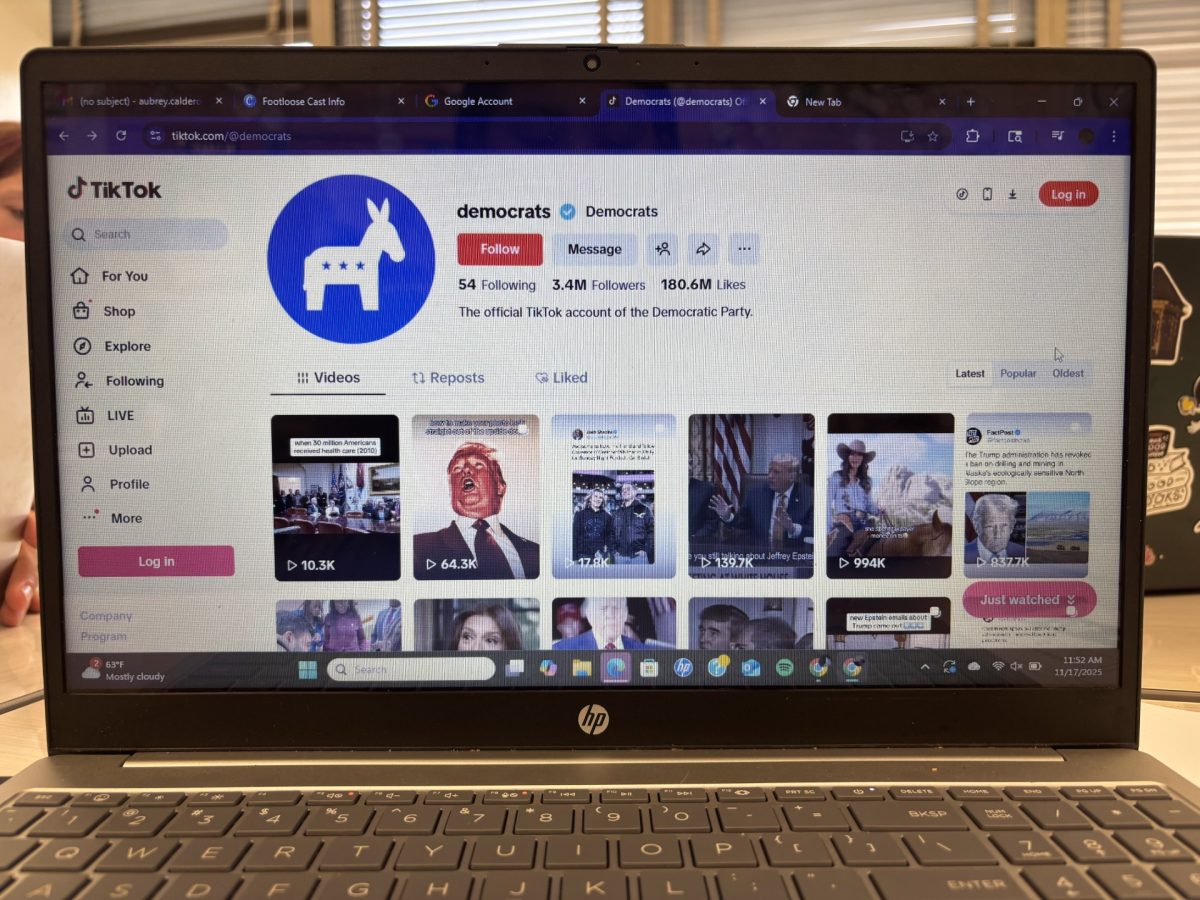
You’re scrolling on TikTok and suddenly see an edit of New York mayor Zohran Mamdani, New Jersey Governor Mikie Sherrill, and Virginia Governor Abigail Spanberger in promotion of “Proposition 50” set to the song “Don’t Stop Me Now” by Queen. You think, what an odd thing to edit. You then look at the account name and see the edit was posted by not a die-hard democrat, but instead the official and verified TikTok account of the Democratic Party.
AP US History and AP Human Geo teacher Mr. Osborn comments, “One thing [political figures] do know is that young people are online.”
Recently, official political accounts online have been posting content that appeals to the growing number of younger voters. Content like edits and memes to make politics more relatable for voters under 30.
Ava Bowman, a senior in QUEST, agrees with this sort of pop culture marketing. “It kind of draws younger populations in, and it makes them want to watch what’s happening.” This kind of content has engaged younger voters to pay attention to their county’s politics.
Recently, California just had an election to vote on Prop 50, the Election Rigging Response Act, and Gavin Newsom’s official social media pages, run by 29-year-old Camille Zapata, wasted no time posting memes/edits emphasizing the importance of voting yes.
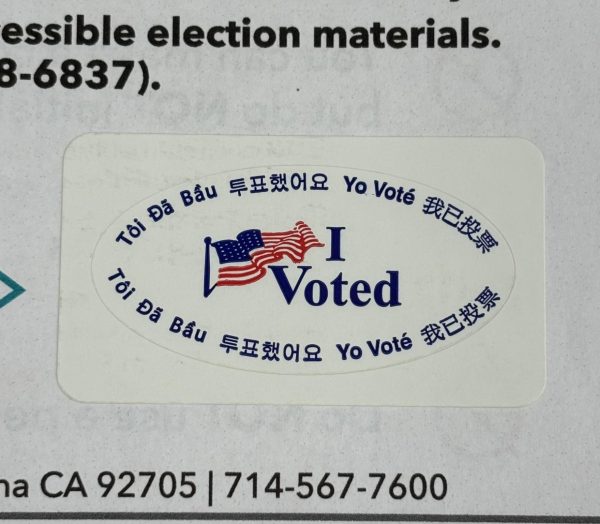
“I think [pop culture campaigns] work well on getting more democratic votes from younger generations because we can receive the information in a way that makes sense,” says COMPASS senior Camillie Ward.
And it did prove successful; Prop 50 was approved in California. We’ve seen politicians use pop culture to persuade voters before, during Kamala Harris’s “BRAT” campaign for president. We have also see the White House’s official TikTok page attempt to replicate this use of online marketing this past year. Pop culture has found a home in politics now, as it has helped persuade and educate the younger American voters in a language they understand.


Liam Balmeo • Dec 3, 2025 at 3:52 pm
November 21, 2025
Dear Corydon Editor,
On November 21, 2025, Aubrey Calderon wrote an article titled “Pop Culture: Changing Hearts, Minds, and Policies”. I read this not long ago while browsing through the latest articles of the Corydon, and her work resonates with my understanding of politics in its current form. Calderon exemplifies the use of social media by politicians such as Gavin Newsom and Zohran Mamdani to appeal to the younger generations who frequently use these forms of technology and that “This kind of content has engaged younger voters to pay attention to their county’s politics”. Not only does she state this topic once, but the entire article is founded around the principles of the new voter population and political figures attempting to appeal to them through pop culture and current trends. I appreciate her commitment to the subject of politics, especially during a period of time when several communities face prejudice and bias that has continued throughout American history.
I adore each aspect of this article, and I am fascinated by the attention to detail the author gives to each example. I believe that each point is discussed with relevance to the topic: quotes from Millikan staff and students and past trends with its effects on the public. The use of pop culture by politicians can be used to influence a certain generation/demographic, including students at Millikan. While reading through the article, I wish that the author had emphasized how the audience can engage in these trends and given instances of how it affected the youth, for example, how political pop culture influences Millikan students. Additionally, I believe that many students, including those who are updated with the current trends and social media, relate to the topic of pop culture and politics. I believe that their opinions and voices matter since they are the target population of these digital campaigns. If a specific way that Millikan students can act upon political pop culture is mentioned, then this topic could act as a call-to-action and catalyst for the audience to act.
To summarize, “Pop Culture: Changing Hearts, Minds, and Policies” is a phenomenal and well-crafted article that has influenced my perspective of political culture and values spread through new forms of communication, such as social media. I appreciate the intention behind this piece and admire this current topic the author chose to write about.
Sincerely,
Liam Balmeo